Sewer lines slope downhill — about a quarter inch per foot — and gravity does all the work. Too little slope and solids settle; too much and water outruns them. Slope wrong, chronic trouble.
Water Damage Gwinnett · Lawrenceville, Georgia · ZIP 30044
The Science of Sewers: Backups, Roots & Maintenance
Gravity, slope, roots, and grease — how your home’s sewer line works, why it backs up, and the maintenance science that keeps wastewater flowing the right direction. A plain-language guide for Gwinnett County homeowners.
Call now: (678) 833-0791
You’ll be connected with a local restoration provider.
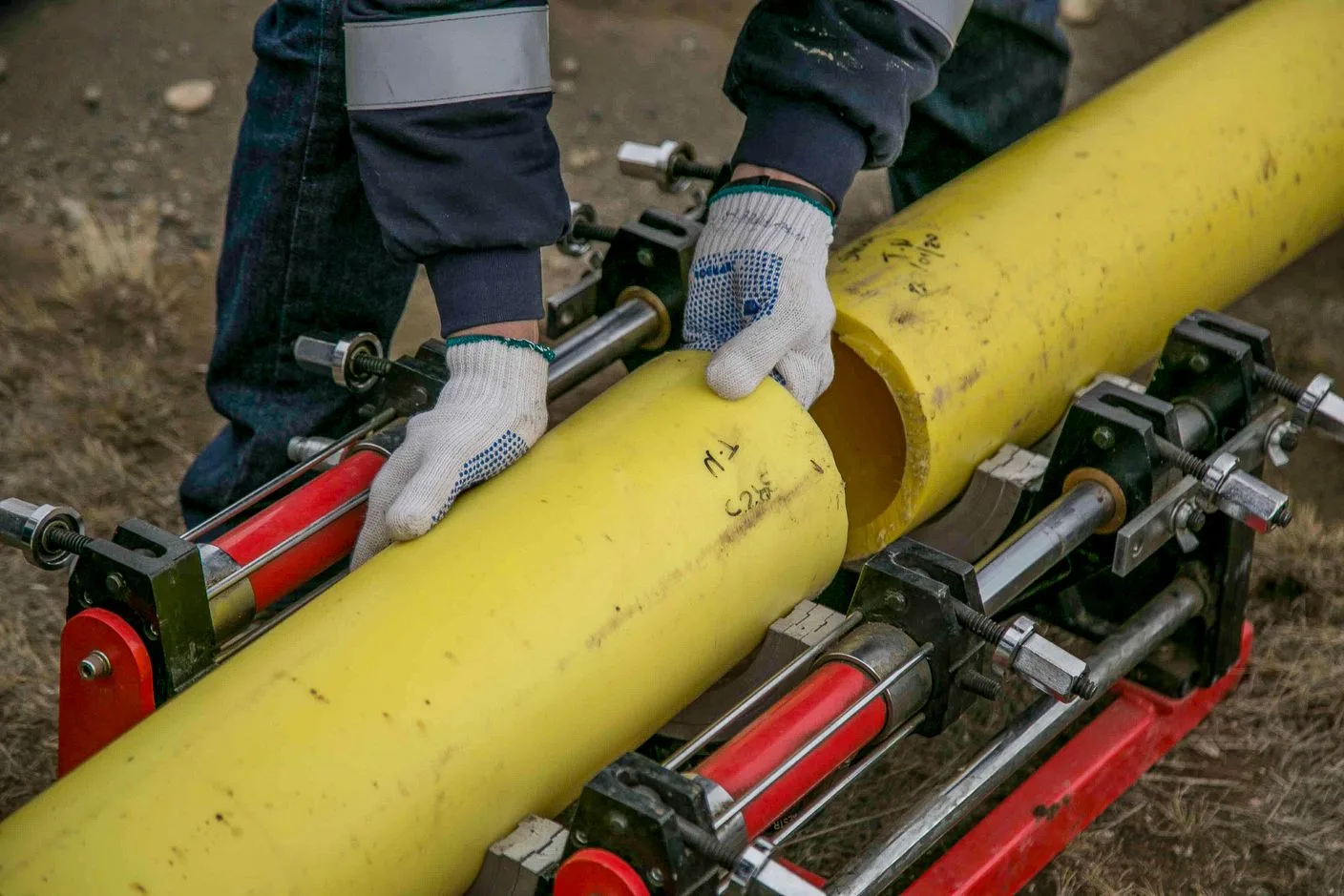
FirstSewers run on gravity
NextRoots seek water
ThenMaintenance prevents backups
How Your Sewer Line Works
No pump, no motor, no electronics — your sewer line is applied physics. Understanding it is what separates a maintained line from a 2 AM backup.
A capped access pipe — usually outside near the house — that gives professionals direct entry to clear clogs and run cameras. Know where yours is before you need it at midnight.
City sewer carries waste to treatment; septic treats it on-site in your yard. Most of Gwinnett County is municipal — but if you have a tank and drainfield, your maintenance rules are different.
Pipes through the roof let air into the system so drains flow smoothly and traps hold their water seal. Blocked vents cause the gurgling and slow drains homeowners blame on clogs.
Every fixture’s U-bend holds water that blocks sewer gas from entering the home. Unused drains let their traps dry out — the simple science behind a mysterious bathroom odor.
The line from your house to the street connection is typically the homeowner’s responsibility — including the part under the yard and sidewalk. Most owners learn this during their first backup.
Failure modes
What Causes Sewer Backups
- Tree roots.Roots detect moisture and infiltrate pipe joints and hairline cracks, then expand inside. Georgia’s clay soil and thirsty trees make this the region’s signature sewer problem — once roots are in, they catch everything flowing past.
- Grease — fats, oils, grease.Poured-down-the-drain grease solidifies in cool pipes, narrowing them layer by layer like arterial plaque. The most preventable cause of backups there is.
- Bellies and breaks.Sagging pipe sections (“bellies”) collect solids; cracked clay tile and shifted joints snag debris. A camera inspection is how professionals find what no plunger can fix.
Local risk profile
Warning Signs Your Line Is in Trouble
Sewer lines rarely fail without announcing it first. These are the announcements.
One slow drain is a local clog. Several slow drains at once — sinks, tubs, toilets together — points to the main line, not the fixtures.
Air trapped behind a developing blockage bubbles up through traps. If drains talk, listen.
Persistent odor suggests dry traps, vent problems, or worse. Occasional whiffs from an unused drain are normal; a constant smell deserves investigation.
Flushing the toilet sends water up into the shower or tub — the textbook main-line backup symptom. Stop using water and call a professional.
An unusually green strip over the sewer line can mean a leak is fertilizing — and feeding the roots that will widen it.
Stormwater infiltrating cracked lines can overwhelm capacity. If trouble always follows heavy rain, the line itself — not your habits — is suspect.
A note on this guide: it explains the science so you can ask better questions — camera inspection, clearing, and repair are performed by the independent plumbing contractor your call is routed to.
What happens after the call
Hazards of Sewer Backups
A sewer backup is not just unpleasant. It is a health hazard and a property disaster in one event.
Sewage may carry harmful bacteria and pathogens. Avoid contact with backup water, keep children and pets away, and don’t attempt cleanup of significant backups yourself — this is professional work with proper protection.
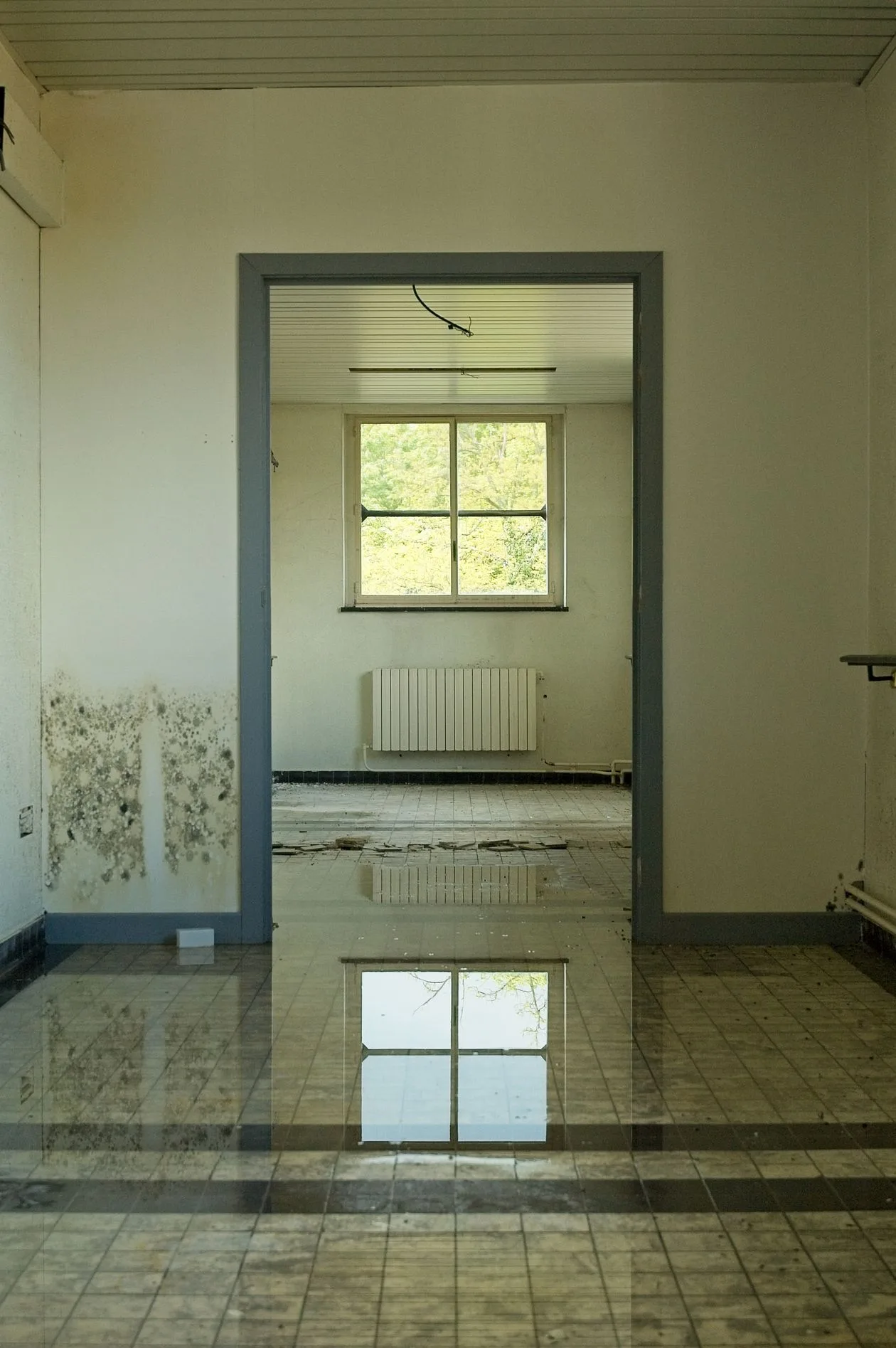
Backups ruin flooring, drywall, and belongings — and porous materials exposed to sewage generally must be removed, not cleaned. The longer water sits, the wider the damage.
The U.S. EPA says: “It is important to dry water-damaged areas and items within 24-48 hours to prevent mold growth.” After a backup, sewage cleanup and structural drying have to happen together.
An uncleared root intrusion or an unrepaired belly guarantees encores. Clearing the symptom without fixing the line is a subscription to future backups.
A neglected lateral can create problems for neighbors and municipal systems. Sewer maintenance is one of the few home chores with community consequences.
Maintenance That Prevents Backups
- Know where your sewer cleanout is?
- No grease down drains — and no wipes flushed, “flushable” or not?
- Trees planted well away from the sewer line’s path?
Straight answers
Sewer Science FAQs
Straight answers to the questions homeowners ask most about their sewer lines.
Are “flushable” wipes really flushable?
No. They don’t break down like toilet paper and are a leading cause of household clogs and municipal blockages. The label describes the trip down the toilet — not what happens in your pipes afterward. Trash them instead.
What is a sewer cleanout?
A capped access pipe — usually outside near the house — that gives professionals direct entry into the sewer line for clearing clogs and running inspection cameras. If you don’t know where yours is, find it before an emergency.
How do tree roots get into sewer pipes?
Through pipe joints, hairline cracks, and loose connections — roots detect moisture and grow toward it, then expand inside. Older clay tile and cast-iron lines with many joints are the most vulnerable; Georgia’s clay soil and thirsty trees make root intrusion the region’s signature sewer problem.
What is a backwater valve?
A device a plumber installs on the sewer line that lets wastewater flow out but automatically closes to prevent municipal sewer backups from flowing back into your home. It’s the standard protection for homes in areas prone to system overloads during heavy rain.
Related services
More Ways We Connect Gwinnett Homeowners
Burst pipes, flooding, and storm damage — routed to local pros.
Board-up, soot cleanup, and odor removal after a fire.
Inspection, containment, and removal with moisture-source correction.
Service and routing disclosure
Water Damage Gwinnett is a referral and call-routing experience, not a restoration contractor. A connected caller may be referred to an independent service provider. Service availability, response times, pricing, licensing and insurance are determined by the provider.
Image sources
Photos: Pexels (free to use, no attribution required). Hero sewer photo by Jan Zakelj via Pexels.