Heat, fuel, oxygen. Remove any one and fire cannot start or continue. Every prevention method — alarms, extinguishers, safe wiring — attacks one of these three sides.
Water Damage Gwinnett · Lawrenceville, Georgia · ZIP 30044
The Science of Fire: How Home Fires Start, Spread & Get Prevented
Heat, fuel, oxygen — and seconds. The physics of how house fires ignite and grow, why smoke kills more than flames, and the prevention science that actually works for Gwinnett County homeowners.
Call now: (678) 833-0791
You’ll be connected with a local restoration provider.
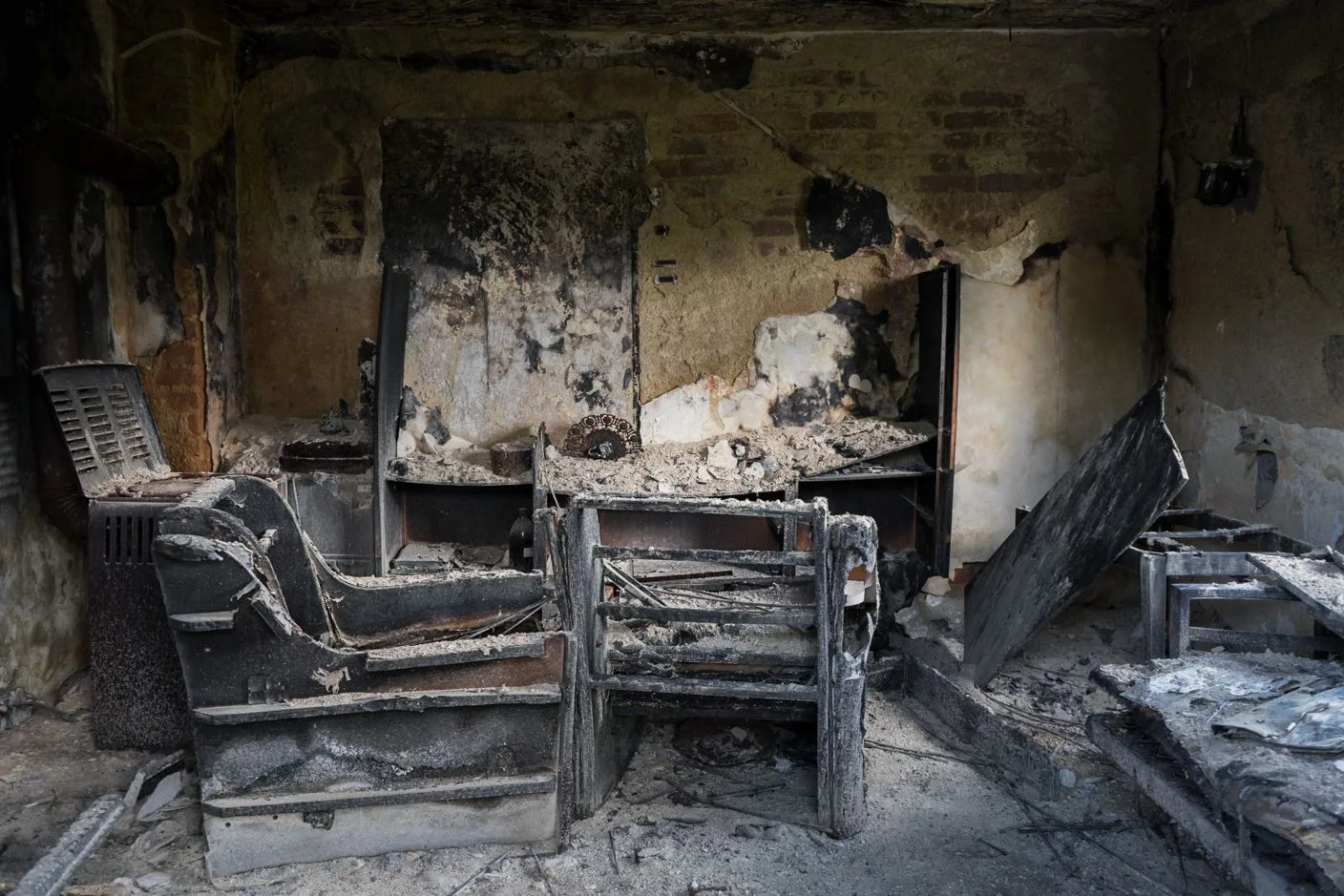
FirstFire needs 3 things
NextSmoke moves first
ThenPrevention beats reaction
What Fire Actually Is
Strip away the mystery: fire is rapid oxidation — a chemical reaction, not a living thing. Understanding the physics is what separates prevention that works from wishful thinking.
The fourth element: the self-sustaining chemical chain reaction. Modern extinguishers don’t just remove heat or oxygen — they interrupt the chain reaction itself.
Class A (wood, paper), B (flammable liquids), C (electrical), D (metals), K (cooking oils). Different fuels need different extinguishers — water on a grease or electrical fire makes it worse.
Convection carries heat upward, radiation ignites nearby objects without contact, conduction travels through metal. Together they explain how a room goes from one burning object to everything burning.
When heat builds until a room’s contents ignite nearly simultaneously. Firefighters warn about it because conditions change in seconds — the reason to get out early, not to grab belongings.
Synthetic furnishings ignite faster and burn hotter than legacy materials, and lightweight construction fails sooner. Escape time in a modern home fire is measured in minutes.
The faster killer
Smoke: Why It Kills More Than Flames
- Smoke rises and spreads first.Long before flames reach you, smoke fills hallways and stairwells. Most fire deaths come from smoke inhalation, not burns — escape routes disappear in the smoke before the fire arrives.
- Toxic gases, not just heat.Burning synthetics release carbon monoxide, hydrogen cyanide, and other toxicants. A few breaths in dense smoke can incapacitate — which is why “just run through it” kills.
- Get low, get out, stay out.Crawl below the smoke, close doors behind you, call 911 from outside. Never re-enter for belongings or pets — tell arriving firefighters instead.
Local risk profile
Fire Behavior by Material
What your home is built from decides how a fire moves through it — and what, if anything, can be saved afterward.
Burns at a predictable rate; the char layer briefly insulates inner wood. Sustained fire consumes it — which is why structural assessment follows every serious fire.
Modern sofas and mattresses ignite fast, burn hot, and produce dense toxic smoke. They are the reason escape times have shrunk over the decades.
Gypsum resists fire for a time — that is why it is used in fire-rated assemblies — but sustained heat breaks it down. It buys minutes, not immunity.
Aging or overloaded wiring is an ignition source, not just a victim. Aluminum wiring and DIY electrical work raise the risk of fires that start inside walls.
Asphalt shingles resist small exposures, but wind-blown embers from nearby fires are the real threat — the science behind defensible space around a home.
Masonry, concrete, and steel endure fire best — though steel weakens with heat and can fail structurally. Fire-resistant is never fireproof.
A note on this guide: it explains the science so you can make better prevention decisions — firefighting and restoration are performed by professionals; in an active fire, call 911 and get out.
What happens after the call
Hazards Beyond the Flames
The fire going out is the end of one danger and the start of several others.
Even after escape, smoke exposure can cause delayed breathing difficulty. Anyone with significant exposure should be evaluated by medical professionals — this guide does not give medical advice.
Heat-damaged framing and trusses can fail hours after the fire is out. Never enter a fire-damaged structure until professionals declare it safe.
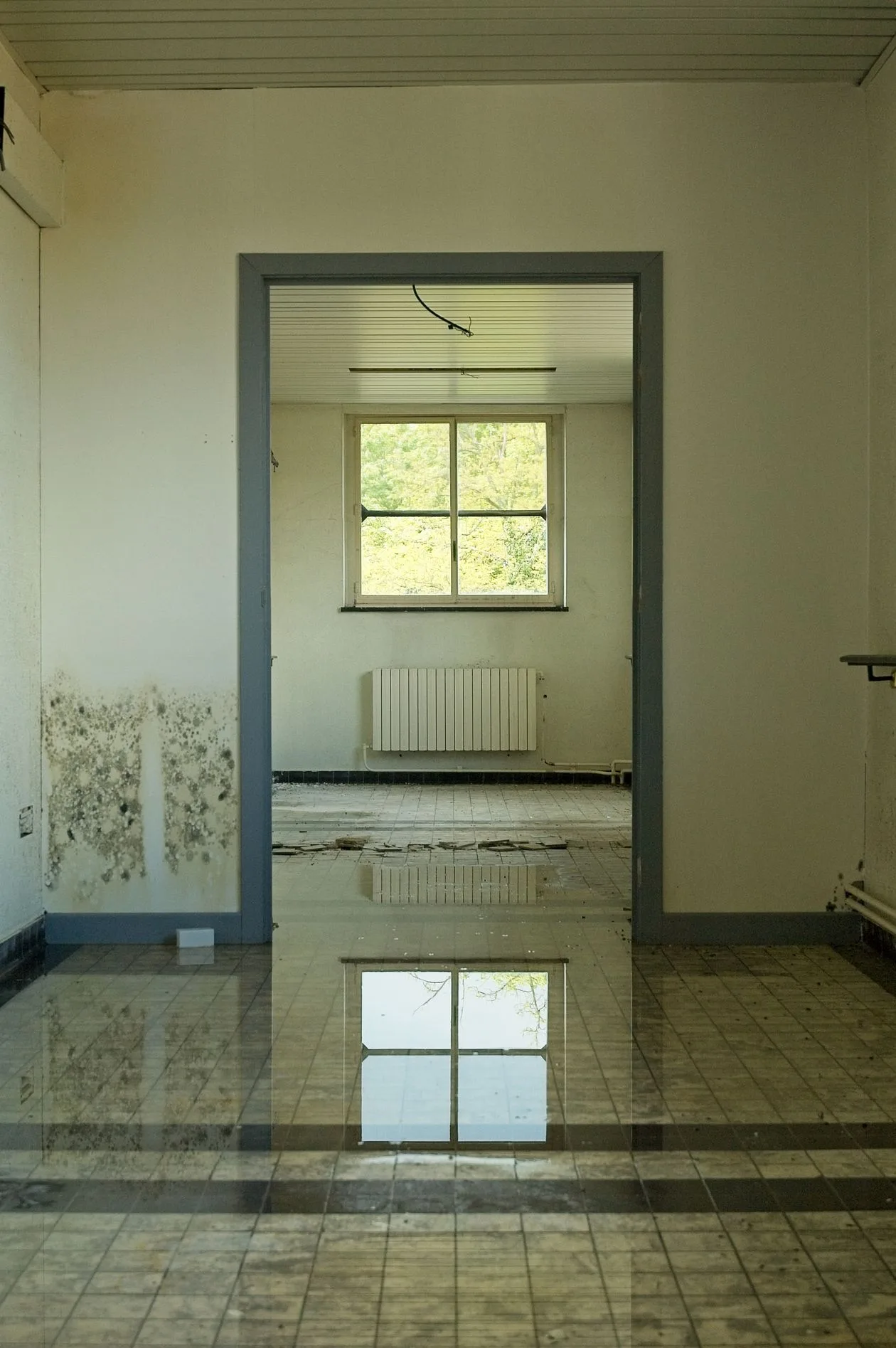
Firefighting water soaks everything the fire didn’t burn. The U.S. EPA says: “It is important to dry water-damaged areas and items within 24-48 hours to prevent mold growth.” Extraction and drying matter after a fire too.
Soot and ash can contain carcinogens and irritants. Don’t handle fire debris without protection, and don’t let children or pets into affected areas.
Smoldering embers hidden in walls or attics can rekindle hours later. Professionals check with thermal imaging before declaring a scene clear.
Your Fire-Safety Checklist
- Working smoke alarms on every level of the home?
- Kitchen fire plan — lid for grease, never water?
- Electrical panel clear, no overloaded circuits or aging wiring?
Straight answers
Fire Science FAQs
Straight answers to the questions homeowners ask most about fire itself.
What is the fire triangle?
Heat, fuel, and oxygen — the three elements fire needs. Remove any one and fire cannot start or continue. Fire prevention is the applied science of keeping the three apart: safe wiring removes ignition heat, clearing clutter removes fuel, and closing doors during escape slows oxygen flow.
Why is smoke more dangerous than flames?
Smoke reaches you before flames do, filling escape routes while you can still see the fire is far away. Burning modern furnishings releases carbon monoxide, hydrogen cyanide, and other toxicants — a few breaths in dense smoke can incapacitate. Most fire deaths are from smoke inhalation, not burns.
What should I do if my kitchen catches fire?
If it is small and contained: turn off the heat if you can do so safely, smother a pan fire with its lid, never use water on a grease fire. If it spreads beyond the pan — get out, close the door, call 911 from outside. Do not try to carry a burning pan outside.
Is my house safe to enter after the fire department leaves?
Not necessarily. Heat can weaken framing and trusses, smoldering embers can rekindle, and soot residue is hazardous to handle. Wait for professionals to declare the structure safe and assessed before entering — and expect the water damage from firefighting to need fast attention too.
Related services
More Ways We Connect Gwinnett Homeowners
Burst pipes, flooding, and storm damage — routed to local pros.
Board-up, soot cleanup, and odor removal after a fire.
Inspection, containment, and removal with moisture-source correction.
Service and routing disclosure
Water Damage Gwinnett is a referral and call-routing experience, not a restoration contractor. A connected caller may be referred to an independent service provider. Service availability, response times, pricing, licensing and insurance are determined by the provider.
Image sources
Photos: Pexels (free to use, no attribution required). Hero fire-damage photo by F. Hektor via Pexels.