If water is near outlets, appliances or the breaker panel, don’t walk through it. Call the power company or 911.
Gwinnett County · Back from a trip
Came Home to Water Everywhere? Start Here
A pipe that bursts while nobody’s home can run for hours or days. Take a breath. These are the steps that matter, in the order they matter.
Call now: (678) 833-0791
You’ll be connected with a local restoration provider.
Before you walk inCheck for electrical risk
InsideShut off the main water
ThenDocument, then call
Before you go in
Electrical and Ceiling Safety Come First
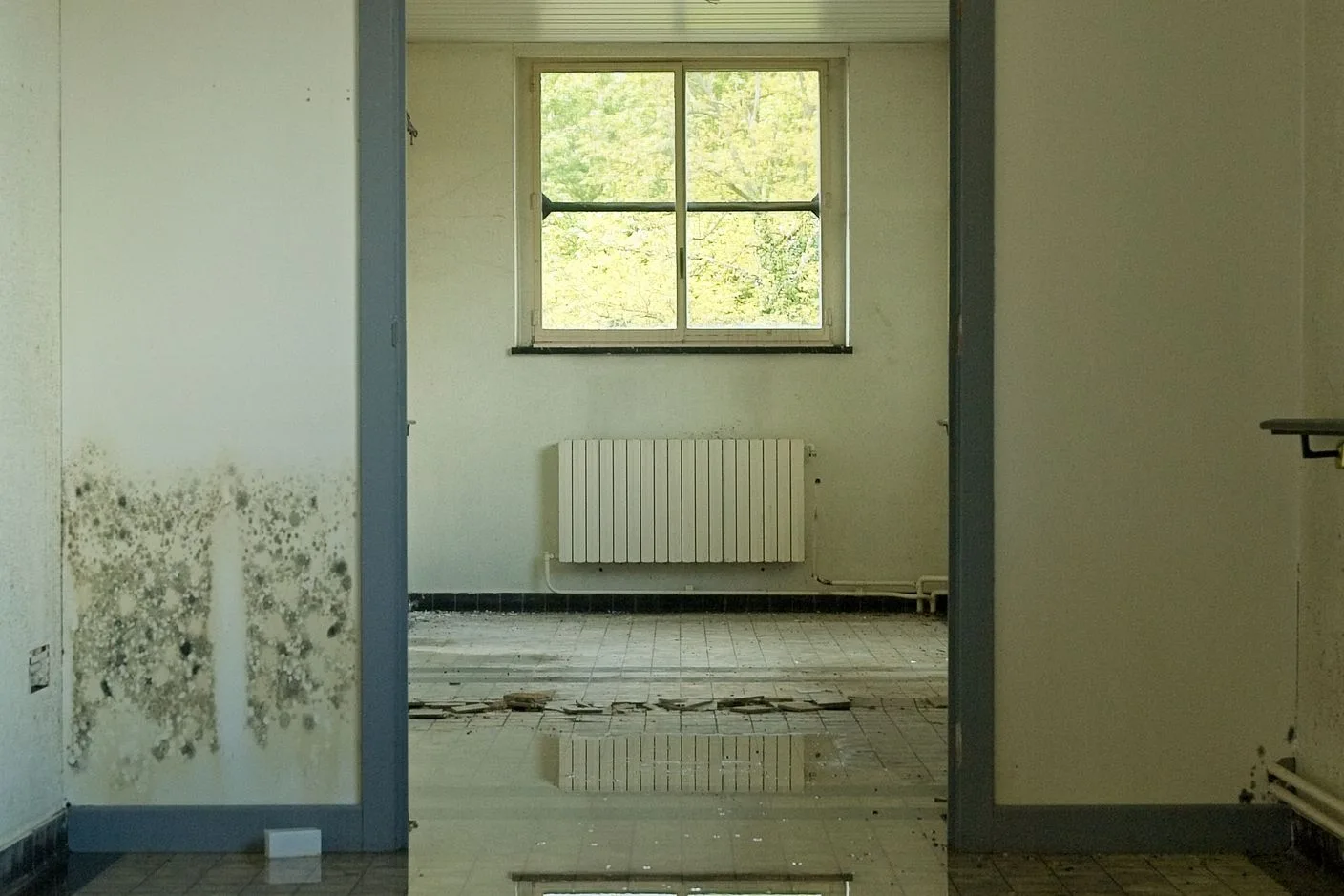
Water that has been running for a long time reaches places you can’t see. Pause at the door and look.
Ceilings under a long leak can be saturated and heavy. Stay out from under any bulge; see ceiling leaks.
Wet hardwood, tile and stairs are slippery. Wear shoes with grip and move slowly.
Once it’s safe
Shut Off the Main and Document Everything
- Turn off the main water valve.Gwinnett County says it’s usually at the front of the house near the hose connection, in the basement near the water heater, in the garage, or in a utility closet.
- Photograph and video before moving anything.Every room, the source if you can find it, water lines on walls, and damaged belongings. This record helps with your insurer.
- Note the timeline.When you left, when you got back, and the thermostat setting. Your insurer may ask.
- Call your insurer early.Ask how they want the claim reported. They decide coverage; your policy sets the terms.
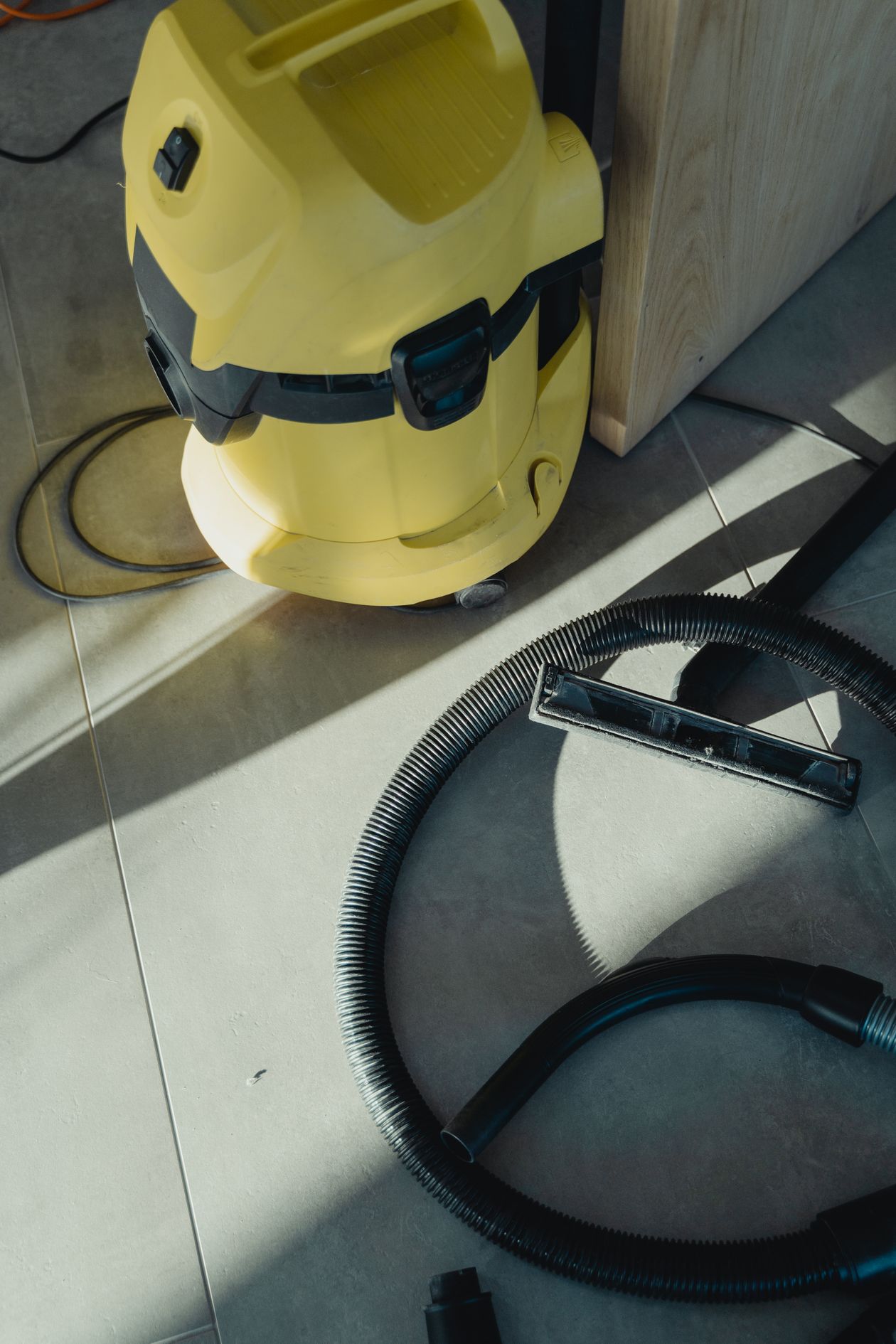
- Get the pipe and the drying handled.A licensed plumber repairs the pipe. A restoration contractor extracts water and dries the structure.
Why time matters
Hours or Days of Water Changes the Job
A short leak caught quickly usually stays in one room. A leak that ran for days has had time to soak into subfloors, wall cavities and insulation on every level below it. The U.S. EPA says: “It is important to dry water-damaged areas and items within 24-48 hours to prevent mold growth.” After a long leak, that clock started before you got home.
That’s why the call for drying shouldn’t wait until after the plumber. See the restoration process for what happens next.
Leaving town this winter?
A Pre-Trip Checklist for Cold Weather
Most of this takes ten minutes, and it’s the difference between a cold house and a flooded one.
The Red Cross says no lower than 55°F when you’re away during cold weather.
For longer trips, turning off the main water valve limits how much water a broken pipe can release.
Warm air reaches pipes on outside walls when the doors are open.
Unhook and drain garden hoses, and cover outdoor spigots, as Gwinnett County recommends.
A neighbor who looks in every day or two can catch a leak early.
The full county checklist is on our freeze prep page.
Rentals and second homes
Landlords, Tenants and Owners: Who Calls Whom
If you rent, tell your landlord or property manager right away; repairs and drying are usually theirs to arrange, and your lease and renter’s policy cover your belongings. If you own a rental or a vacant property, you or your authorized contact are the one to arrange the repair and the drying.
Restoration providers generally need the owner or an authorized contact to approve the work, which is why that’s the first of the three questions below.
Back to a Wet House? Start With Three Clear Answers
- Are you the property owner or authorized contact?
- Is there active water damage inside the property?
- Is the affected property in Gwinnett County, Georgia?
Straight answers
Came-Home-to-Water FAQs
Should I start cleaning up right away?
Safety and documentation first. Once the water is off and you’ve photographed everything, removing small amounts of clean standing water and moving belongings to a dry area helps. Large amounts of water, sewage, or water that has run for days are a job for a restoration contractor.
Will insurance cover a pipe that burst while I was away?
It depends on your policy and the circumstances, including how the house was heated while you were gone. Call your insurer and ask; they decide coverage, not the contractor and not us.
Is it safe to stay in the house?
If ceilings are sagging, the power is off for safety, or the water came from a sewer line, it may not be. When in doubt, stay elsewhere until a professional has looked at it.
Who are we?
Water Damage Gwinnett is a referral and call-routing service. We connect callers with independent local restoration providers; we don’t do the work ourselves. See how this service works.
Sources: American Red Cross — Frozen pipes · Gwinnett County — Protect your pipes from the winter cold · U.S. EPA — A Brief Guide to Mold, Moisture and Your Home. Photos: Pexels (free to use).