The long-time standard: resists corrosion, handles heat, lasts decades. Expensive — and aggressive water chemistry can cause pinhole leaks over time.
Water Damage Gwinnett · Lawrenceville, Georgia · ZIP 30044
The Science of Pipes: Materials, Freezing & Failure
Copper, PEX, PVC, galvanized — what your pipes are made of, why they fail, and the physics of the burst pipe behind so many water damage claims. A plain-language guide for Gwinnett County homeowners.
Call now: (678) 833-0791
You’ll be connected with a local restoration provider.
FirstWater expands when frozen
NextPressure bursts pipes
ThenPrevention is plumbing
Pipe Materials Compared
Your home’s plumbing is a mix of materials chosen across decades. What each one is — and how each one fails — predicts your risks.
Flexible plastic tubing that tolerates freezing better than rigid pipe (it expands slightly) and needs fewer joints. The modern retrofit favorite; it must stay out of sunlight.
Rigid plastic: PVC for drains, CPVC rated for hot and cold supply. Affordable and corrosion-proof, but it becomes brittle with age and UV exposure.
Common in older homes: steel pipe coated in zinc. The coating wears off, then rust narrows the pipe from the inside — steadily dropping water pressure is the classic symptom.
Old drain and sewer lines: extremely tough, but internal corrosion and scale narrow them over decades. Gurgling and slow drains are the early warnings.
A mix by era: pre-1970s homes often carry galvanized supply and cast-iron drains, later builds copper, recent construction PEX. Knowing your mix predicts your failure modes.
Failure physics
Why Pipes Burst: Three Mechanisms
- Freezing physics.Water expands about 9% when it freezes. An ice blockage traps water; pressure spikes between the blockage and the closed faucet — and that pressure bursts the pipe, often somewhere other than the frozen spot itself.
- Corrosion from the inside.Galvanized and aging copper corrode internally for years before failing. Discolored water and gradually dropping pressure are the early warnings most homeowners miss.
- Pressure and water hammer.Excess municipal pressure and water hammer — shock waves from suddenly closed valves — stress joints and weak spots. The banging you hear is physics announcing itself.
Local risk profile
Where Georgia Pipes Freeze
Georgia doesn’t freeze often — which is exactly why its homes freeze badly. Pipes here run through spaces designed for heat, not cold.
Supply lines run through unconditioned attics freeze first in a cold snap — the single most common burst location in Georgia homes.
Ventilated crawlspaces expose pipes to outside air for the full duration of a freeze. Insulation sleeves help; conditioned crawlspaces help more.
Kitchen and bath supply lines inside outside walls are classic burst locations — cold on one side, warm on the other, with no room for insulation error.
Water heaters, laundry, and softeners in unheated garages sit in the coldest conditioned-adjacent space in the house.
Outdoor faucets: disconnect hoses before freezes so trapped water can’t freeze back into the wall and split the pipe inside.
No heat plus no water movement equals the highest risk of all. Winterization — shutoff, drain-down, antifreeze in traps — is what protects empty houses.
A note on this guide: it explains the science so you can ask better questions — diagnosis and repair are performed by the independent plumbing contractor your call is routed to.
What happens after the call
Hazards of Pipe Failure
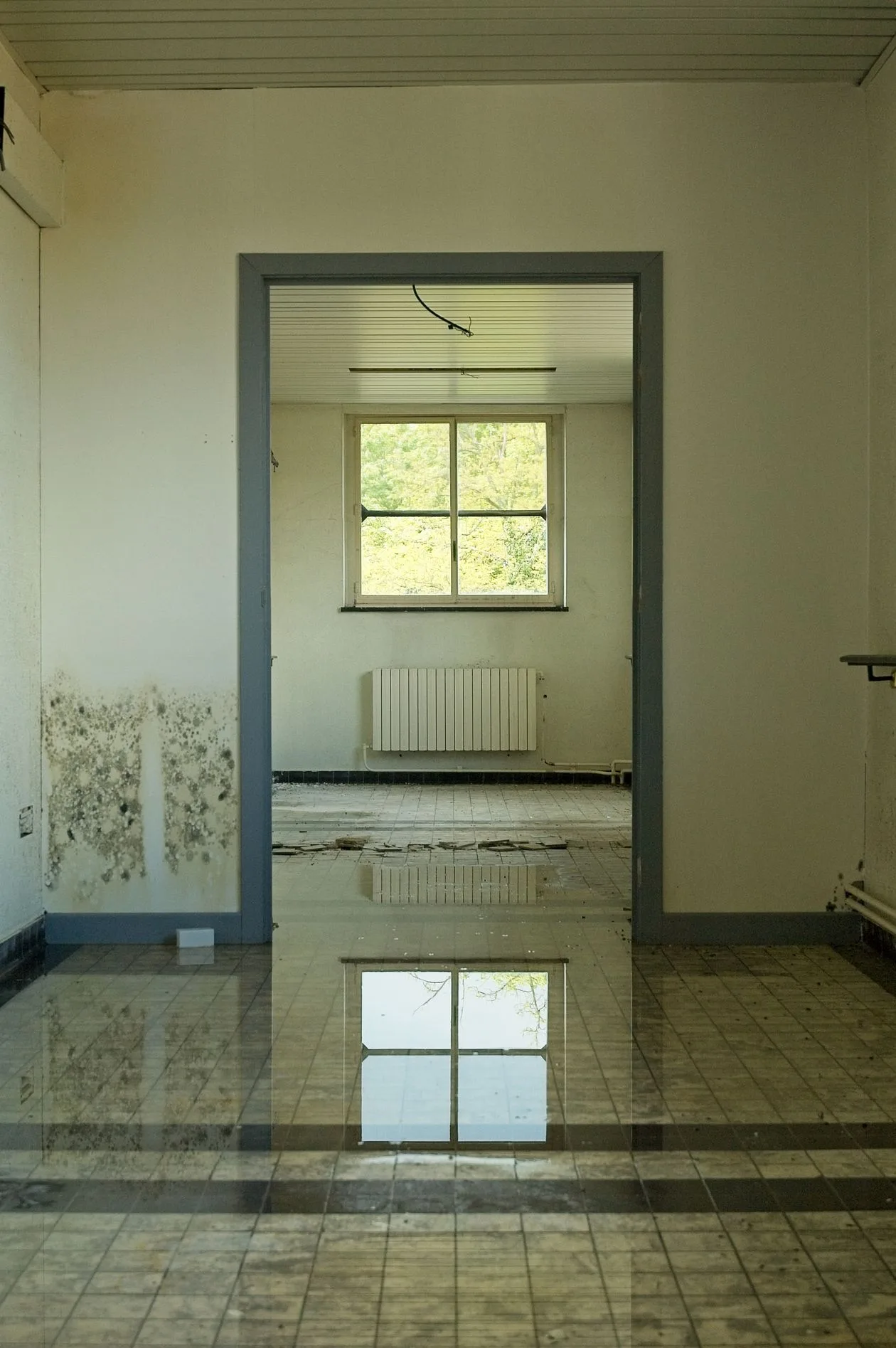
A burst pipe is not a drip. It is hundreds of gallons per hour until someone shuts the water off.
A 3/4-inch supply line at typical pressure can release hundreds of gallons per hour. If the break is inside a wall or above a ceiling, the first sign is often the ceiling on the floor.
The U.S. EPA says: “It is important to dry water-damaged areas and items within 24-48 hours to prevent mold growth.” Thorough extraction and drying is what separates a plumbing repair from a mold remediation.
Water and electricity: never wade into standing water where power may be live, and never touch electrical panels with wet hands. Shut power at the breaker if water nears outlets.
Under-slab leaks erode soil and can crack slabs over time. Hot spots on floors and unexplained water bills are the classic tells.
Cross-connections and backflow can pull contaminants into drinking water. Backflow preventers exist for exactly this reason — another job for a licensed pro.
Prevention the Science Supports
- Know where your main water shutoff is — and that it works?
- Pipes insulated in attic, crawlspace, and exterior walls?
- Hoses disconnected and outdoor faucets covered before freezes?
Straight answers
Plumbing Science FAQs
Straight answers to the questions homeowners ask most about their pipes.
At what temperature do pipes freeze?
Pipes can freeze when temperatures hold below freezing for several hours — and risk climbs sharply below 20°F, especially for pipes in attics, crawlspaces, and exterior walls. Wind makes it worse. A single hard freeze overnight is enough in an unconditioned space.
Is PEX better than copper?
Each has strengths: PEX tolerates freezing better and needs fewer joints; copper handles heat and UV and has the longer track record. Neither is universally “better” — the right choice depends on the application, water chemistry, and local code. A professional assessment settles repiping questions.
Why is my water discolored?
Often corrosion from aging galvanized or iron pipes, or sediment disturbed by nearby work or pressure changes. Occasional brief discoloration that clears is usually sediment; persistent rust-colored water points to pipe deterioration worth having inspected.
What is water hammer?
The banging or thudding when a faucet or valve closes suddenly — a pressure shock wave traveling through the pipes. Occasional hammer is noisy; chronic hammer stresses joints and appliances. Water hammer arrestors and pressure regulation are the standard fixes, installed by a plumber.
Related services
More Ways We Connect Gwinnett Homeowners
Burst pipes, flooding, and storm damage — routed to local pros.
Board-up, soot cleanup, and odor removal after a fire.
Inspection, containment, and removal with moisture-source correction.
Service and routing disclosure
Water Damage Gwinnett is a referral and call-routing experience, not a restoration contractor. A connected caller may be referred to an independent service provider. Service availability, response times, pricing, licensing and insurance are determined by the provider.
Image sources
Photos: Pexels (free to use, no attribution required). Hero plumbing photo by Kindel Media via Pexels.