Active water from plumbing, ceilings or inside walls that needs source control and extraction.
Water Damage Gwinnett · Norcross, Georgia · ZIP 30071 & 30093
Water Damage Restoration in Norcross, GA
Get connected with a local water damage restoration provider for active leaks, flooded rooms, sewage backups and storm-related water damage in Norcross — from the historic downtown district to the condo homes and neighborhoods along Beaver Ruin Creek.
Call now: (678) 833-0791
You’ll be connected with a local restoration provider.
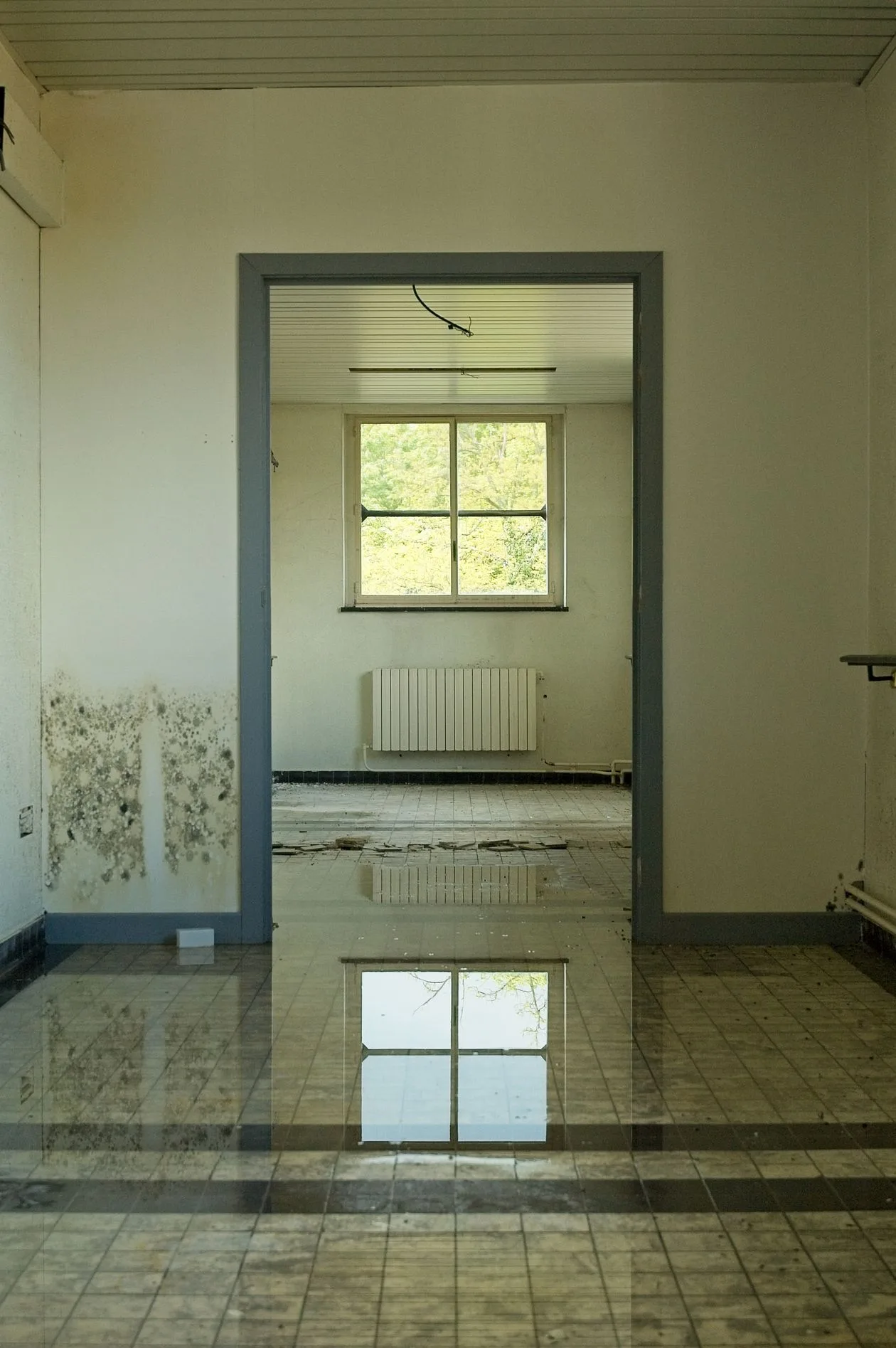
First priorityStop the source when safe
Next stepCall a restoration professional
ThenDry, monitor and document
Water Damage Restoration for Common Household Problems
The landing experience qualifies active property-damage calls before they reach a contractor, with direct language for the incidents most likely to happen in and around a home.
Standing water in basements, kitchens, bathrooms, garages or living areas.
Water released by washing machines, dishwashers, refrigerators or water heaters.
Contaminated water events that require controlled cleanup rather than DIY handling.
Rain and floodwater entering through roofs, doors, windows or lower levels.
Wet materials and trapped moisture that remain after the visible water is gone.
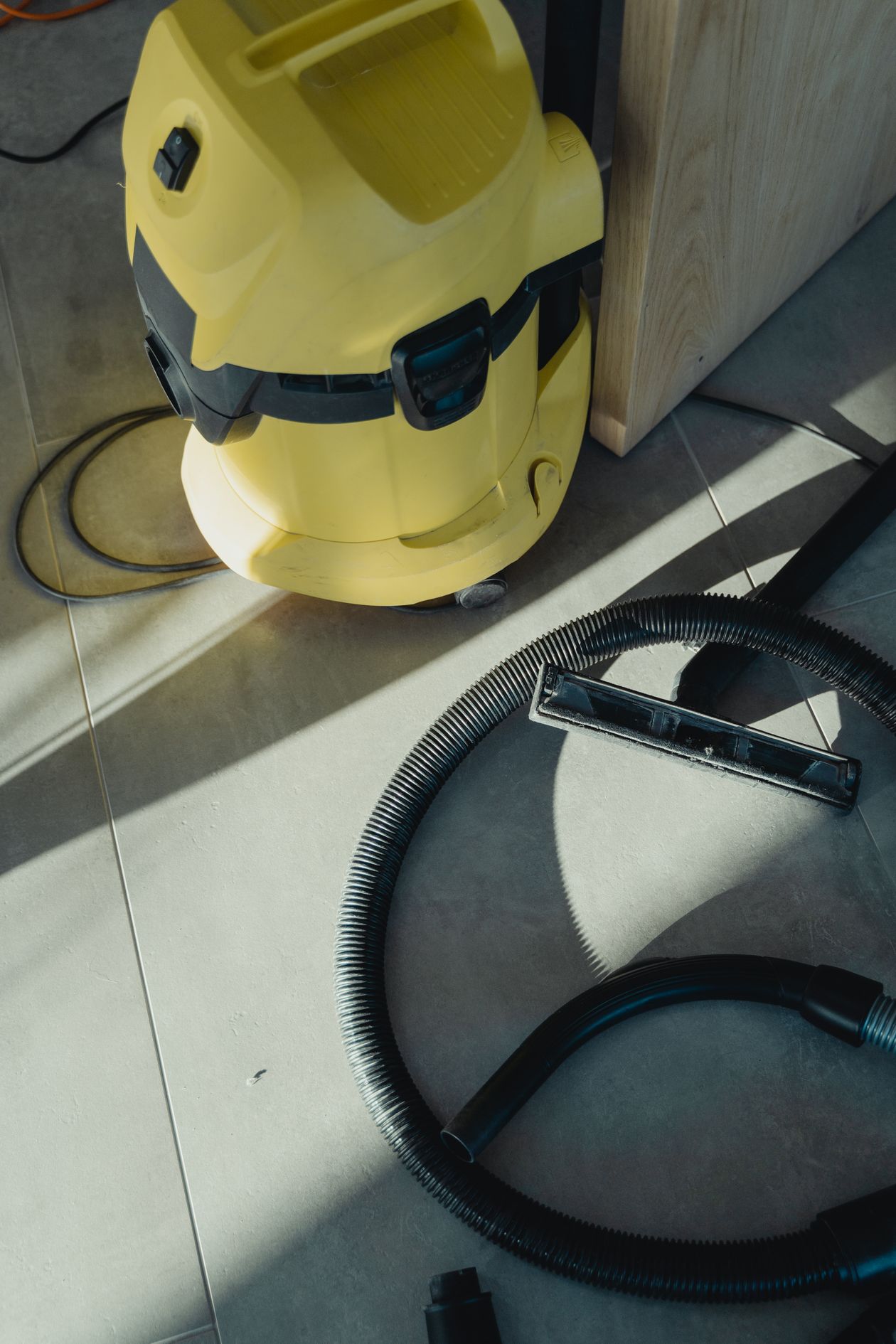
Before help arrives
Flood Cleanup: Three Safe First Moves
- Protect people first.Keep children and pets away from standing water. Leave the area if electrical hazards or contaminated water may be present.
- Stop incoming water if it is safe.Use the nearest shutoff or the main water valve. Do not enter water to reach electrical equipment.
- Document the scene.Photograph the source and affected rooms before moving items, when doing so does not delay safety steps.
Local risk profile
Common Causes of Water Damage in Norcross & Gwinnett County
Norcross carries Gwinnett County's oldest housing stock, early-1900s homes near historic downtown with plumbing to match, alongside 1970s–80s subdivisions and some of the county's densest condo neighborhoods. Beaver Ruin Creek cuts through it all. These are the incidents local restoration contractors see most often in and around Norcross.
Downtown Norcross is one of Gwinnett County's oldest settlements, and its early-1900s homes carry early-1900s plumbing, wiring chases, and roofing generations. Cast-iron drains corrode, old supply lines split, and layered old roofs hide active leaks — character comes with maintenance.
Beaver Ruin Creek cuts through the Norcross area, and its corridor floods when heavy rain overwhelms the channel. Homes near the creek and in low spots along its tributaries can take on water with little warning during stalled summer storms.
Beyond the historic core, Norcross's subdivisions went up in the 70s and 80s — prime territory for aging copper, polybutylene, and original water heaters. Pinhole leaks inside walls and sudden supply-line splits are routine calls here.
Beaver Ruin Creek's corridor floods when heavy rain overwhelms the channel, and the low spots along its tributaries take on water with little warning during stalled storms. Beyond the creek, Norcross's older roof stock near historic downtown, multiple generations of shingles layered over old flashing, lets wind-driven rain in where newer roofs would shed it.
Norcross's mature tree canopy is relentless about finding moisture in aging sewer laterals. Combined with heavy rain inflow, root intrusion produces the sewage backups that show up through floor drains and basement fixtures.
If you own a condo in Norcross, a leak in the home above or beside yours can reach your walls and ceilings: water follows gravity through shared walls and floors. Questions over who is responsible, you, your HOA or the neighbor upstairs, can delay drying by days. The U.S. EPA says: “It is important to dry water-damaged areas and items within 24-48 hours to prevent mold growth.” A delay of days can run past that window. Learn your HOA's water-incursion policy before you need it.
When any of these hit a Norcross home, a burst pipe downtown or a leak reaching a condo from the home above, Water Damage Gwinnett routes the call to an independent local restoration contractor — the contractor inspects, quotes and performs the work.
What happens after the call
From Water Extraction to Mold Remediation: The 5-Step Restoration Process
Every property is different, but professional water damage restoration follows the same sequence. These steps are performed by the independent contractor your call is routed to.
The contractor finds the water source, classifies the water as clean, gray or black, and maps how far moisture has traveled using meters and thermal imaging.
Standing water comes out first with pumps and high-powered extractors. Extraction comes first because standing water keeps spreading into floors and walls the longer it sits.
Air movers and dehumidifiers run for days while technicians track moisture readings. In Georgia humidity, this step decides whether mold takes hold.
Affected surfaces get antimicrobial treatment and salvageable contents are cleaned. Sewage and gray-water jobs follow a stricter decontamination protocol.
Compromised drywall, insulation and flooring are removed, remaining areas are treated, and the space is rebuilt — so the property comes back whole, not just dry.
Local drainage resources
Drainage and Stormwater Resources in Norcross
Norcross’s Stormwater Division commits to the yearly assessment and replacement of the city’s storm piping, including pipe relining projects, and the Roads Division maintains ditches within the right-of-way. The city’s Roads & Stormwater page also describes replacing small pipes and culverts with larger ones.
Public storm drains, pipes and ditches are a city or county matter. A burst pipe, an appliance leak or water already inside the home is not, and a drainage report won’t dry out a wet room. To check whether an address sits in a mapped flood zone, see our Gwinnett County flood maps guide.
Emergency Water Damage Restoration in Norcross Starts With Three Clear Answers
- Are you the property owner or authorized contact?
- Is there active water damage inside the property?
- Is the affected property in Norcross (30071 & 30093)?
Straight answers
Water Damage Restoration FAQs: Norcross, Georgia
Common questions from homeowners in Norcross and Gwinnett County — answered plainly.
I own an older home near downtown Norcross. What water risks are specific to it?
Cast-iron drain lines that are corroding from the inside, supply plumbing with decades of wear, and roofs with multiple generations of shingles hiding old flashing. Get a plumber to camera your main drain line — it's the single most informative inspection for an older home — and have the roof checked after any major wind event. Old houses don't fail all at once; they warn you if you look.
Water is coming up through my floor drain. What is happening?
That's almost always a sewer lateral problem — a blockage or root intrusion downstream is forcing wastewater back into the house. Stop using water immediately to avoid adding to it, keep people and pets away from the area, and call a restoration contractor: this is contaminated black water and needs professional extraction and decontamination, not household cleanup.
How soon should I act on a roof leak?
A roof leak that drips into an attic soaks insulation first, which can hide the problem from view. The U.S. EPA says: “It is important to dry water-damaged areas and items within 24-48 hours to prevent mold growth.” Georgia humidity slows drying. Put a bucket under it, photograph the interior damage, and get the roof tarped or repaired before the next rain; then have the interior dried professionally.
Is Water Damage Gwinnett a restoration company?
No. Water Damage Gwinnett is a referral and call-routing service. We connect homeowners with independent local water damage restoration contractors; the contractor handles the inspection, pricing, scheduling, licensing, and the work itself. That separation is intentional — a specialist does the job, and there is a clear record of who did what.
Nearby: Lilburn · Duluth · Lawrenceville
Service and routing disclosure
Water Damage Gwinnett is a referral and call-routing experience, not a restoration contractor. A connected caller may be referred to an independent service provider. Service availability, response times, pricing, licensing and insurance are determined by the provider.
Image sources
Photos: Pexels (free to use, no attribution required).