Active water from plumbing, ceilings or inside walls that needs source control and extraction.
Water Damage Gwinnett · Buford, Georgia · ZIP 30518 & 30519
Water Damage Restoration in Buford, GA
Get connected with a local water damage restoration provider for active leaks, flooded rooms, sewage backups and storm-related water damage in Buford — from Lake Lanier shoreline homes to the neighborhoods around the Mall of Georgia and the historic mill-town district.
Call now: (678) 833-0791
You’ll be connected with a local restoration provider.
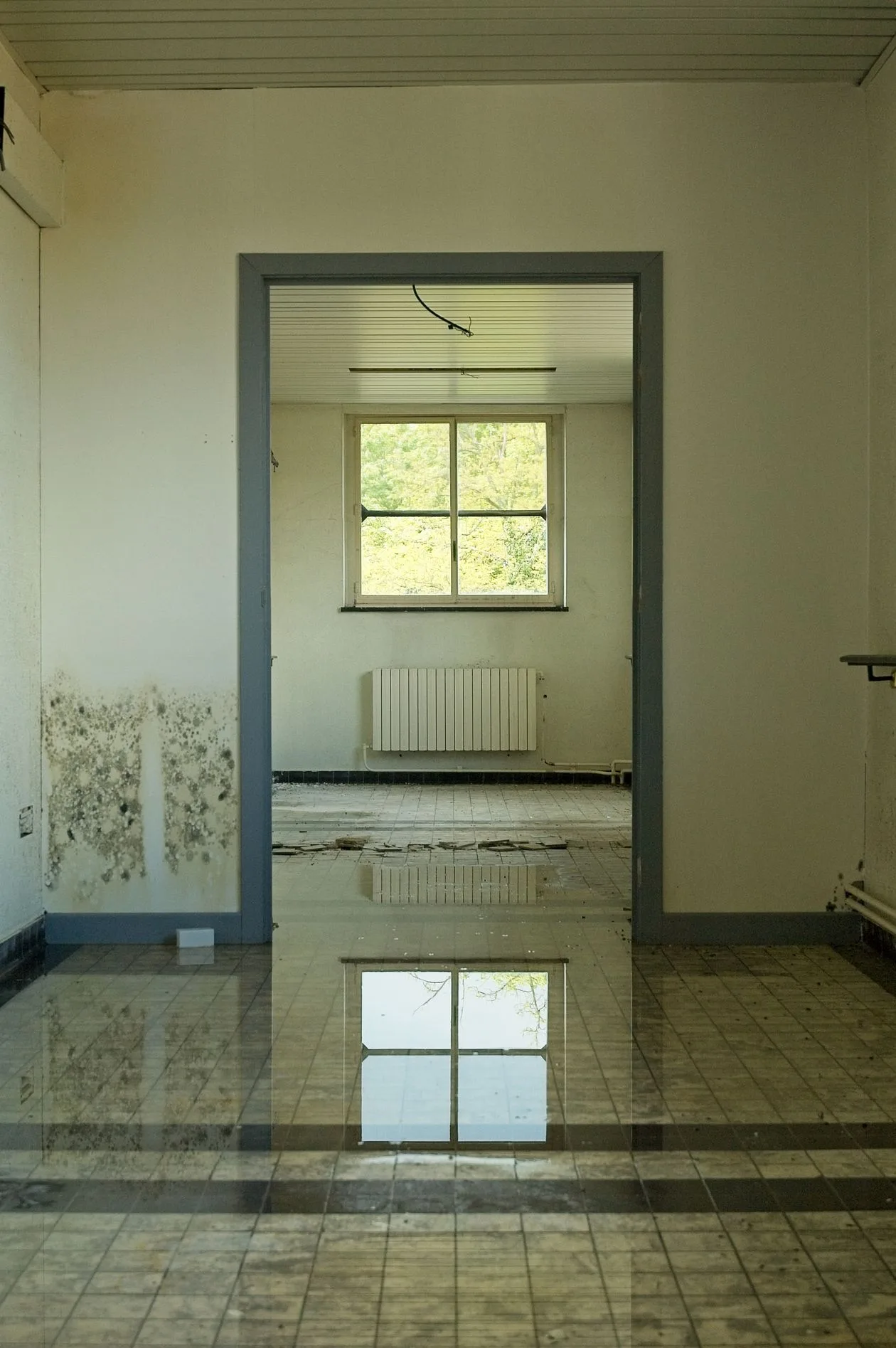
First priorityStop the source when safe
Next stepCall a restoration professional
ThenDry, monitor and document
Water Damage Restoration for Common Household Problems
The landing experience qualifies active property-damage calls before they reach a contractor, with direct language for the incidents most likely to happen in and around a home.
Standing water in basements, kitchens, bathrooms, garages or living areas.
Water released by washing machines, dishwashers, refrigerators or water heaters.
Contaminated water events that require controlled cleanup rather than DIY handling.
Rain and floodwater entering through roofs, doors, windows or lower levels.
Wet materials and trapped moisture that remain after the visible water is gone.
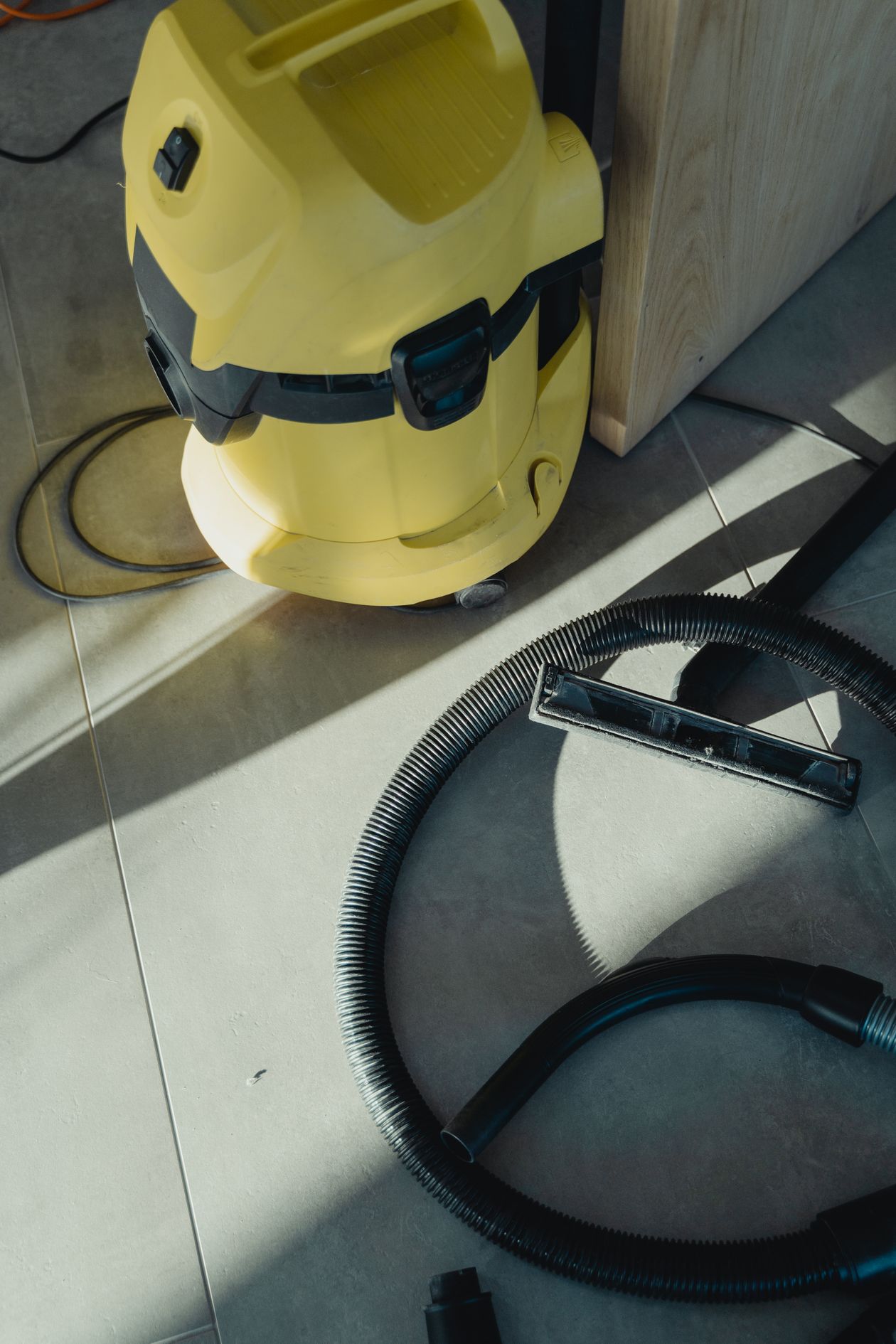
Before help arrives
Flood Cleanup: Three Safe First Moves
- Protect people first.Keep children and pets away from standing water. Leave the area if electrical hazards or contaminated water may be present.
- Stop incoming water if it is safe.Use the nearest shutoff or the main water valve. Do not enter water to reach electrical equipment.
- Document the scene.Photograph the source and affected rooms before moving items, when doing so does not delay safety steps.
Local risk profile
Common Causes of Water Damage in Buford & Gwinnett County
Buford's water risk follows its geography: Lake Lanier's shoreline and high water table on one side, decades-old mill-town housing near downtown on the other, and fast-growing subdivisions, plus the growth around the Mall of Georgia, changing how water moves across the land in between. These are the incidents local restoration contractors see most often in and around Buford.
Buford's Lake Lanier shoreline homes live with a high water table and constant lakeside humidity. Basements and crawlspaces near the shore take on hydrostatic pressure after rain, and the ambient dampness means any leak turns into a mold problem faster than it would inland.
The Mall of Georgia area's vast parking lots and rooftops turn rainfall into runoff, and ongoing development around the corridor keeps redrawing local drainage patterns. Neighborhoods downhill of new construction can see more street and yard flooding than they did five years ago, not because it rains more, but because the water has fewer places to go.
Downtown Buford grew up around the mills, and its older housing stock carries aging plumbing, old roofs, and decades of patchwork repairs. Burst pipes and slow leaks behind walls are the signature water events in these homes.
Buford's growth corridors are full of newer construction — where builder-grade supply valves, toilet connectors, and washing-machine hoses are the weak points. They fail early and without warning, often while nobody is home.
Fast, heavy rain overwhelms gutters and grading in a single afternoon, and the low-lying streets near Lake Lanier's tributary creeks pond deep enough to push water into garages. On the older mill-town housing stock near downtown, wind-driven rain exploits aging shingles and decades of patchwork repairs.
Buford's mix of old and new development means a mix of old and new sewer lines — and the old ones run through mature tree cover. Root intrusion plus heavy rain inflow produces the sewage backups that surface through floor drains and lower-level fixtures.
When any of these hit a Buford home, shoreline seepage near the lake or a burst pipe in a mill-town bungalow, Water Damage Gwinnett routes the call to an independent local restoration contractor — the contractor inspects, quotes and performs the work.
Verified local facts
Water Facts for Buford Homeowners
- Buford runs its own water department. The City of Buford’s Water Department draws its water from Lake Sidney Lanier and buys part of its supply from Gwinnett County. If your water bill comes from the City of Buford, questions about your water service go to the city, not the county.
- Check your flood zone. Lake-adjacent and creek-side properties are worth checking: the FEMA Flood Map Service Center shows whether your address sits in a mapped flood zone.
Sources: City of Buford Water Department; FEMA Flood Map Service Center.
Mitigation, restoration and remediation
Water Mitigation in Buford: How It Differs From Restoration
Contractors use three words for different stages of the same job. Knowing which one you need makes the first conversation clearer.
- Mitigation limits further damage. It covers stopping the source, extracting standing water and drying the structure: steps 1 to 3 of the process below. Nothing is rebuilt yet.
- Restoration returns the home to its condition before the loss. That means cleaning, sanitizing and replacing damaged drywall, insulation and flooring: steps 4 and 5.
- Remediation removes contamination, such as mold growth or sewage, using stricter cleanup procedures.
Drying is the step that matters most for mold. The U.S. EPA says: “It is important to dry water-damaged areas and items within 24-48 hours to prevent mold growth.” The Lake Lanier shoreline humidity described above makes thorough drying matter even more in Buford, so ask the contractor how they will measure moisture and when they will consider the structure dry.
Water Damage Gwinnett routes your call to an independent local contractor, who inspects, quotes and performs the work. Ask whether a quote covers mitigation only, or mitigation and restoration.
What happens after the call
From Water Extraction to Mold Remediation: The 5-Step Restoration Process
Every property is different, but professional water damage restoration follows the same sequence. These steps are performed by the independent contractor your call is routed to.
The contractor finds the water source, classifies the water as clean, gray or black, and maps how far moisture has traveled using meters and thermal imaging.
Standing water comes out first with pumps and high-powered extractors. Extraction comes first because standing water keeps spreading into floors and walls the longer it sits.
Air movers and dehumidifiers run for days while technicians track moisture readings. In Georgia humidity, this step decides whether mold takes hold.
Affected surfaces get antimicrobial treatment and salvageable contents are cleaned. Sewage and gray-water jobs follow a stricter decontamination protocol.
Compromised drywall, insulation and flooring are removed, remaining areas are treated, and the space is rebuilt — so the property comes back whole, not just dry.
Local drainage resources
Drainage and Stormwater Resources in Buford
The City of Buford runs its own stormwater program, and its stormwater page has an online form for reporting a stormwater concern or illegal dumping. The city also explains that anything entering a storm sewer is discharged untreated into lakes and streams, which is why nothing but rain belongs in a street drain.
Public storm drains, pipes and ditches are a city or county matter. A burst pipe, an appliance leak or water already inside the home is not, and a drainage report won’t dry out a wet room. To check whether an address sits in a mapped flood zone, see our Gwinnett County flood maps guide.
Emergency Water Damage Restoration in Buford Starts With Three Clear Answers
- Are you the property owner or authorized contact?
- Is there active water damage inside the property?
- Is the affected property in Buford (30518 & 30519)?
Straight answers
Water Damage Restoration FAQs: Buford, Georgia
Common questions from homeowners in Buford and Gwinnett County — answered plainly.
My home is near Lake Lanier. Does that change my water damage risk?
Yes, in two ways: the high water table puts hydrostatic pressure on basements and crawlspaces after rain, and the constant lakeside humidity means leaks stay wet longer, which gives mold more time to grow. If you have a basement or crawlspace near the shore, a sump pump with battery backup and a dehumidifier are worth every penny. And check whether you're in a flood zone; lake-adjacent properties often are.
Do I really need a sump pump with battery backup?
If your home has a below-grade space and you've ever seen water in it, yes. Pumps fail most often during the storms that cause the flooding — when the power goes out. A battery backup keeps the pump running through an outage, which is exactly when you need it. Test the whole setup twice a year; a pump that hasn't run in two years may not run when it matters.
A pipe burst while we were away for the weekend. What now?
Shut off the main water valve first — know where it is before you need it. Document everything with photos before cleanup begins, and call your insurer early. Then call a restoration contractor: water that has sat for days has soaked deep into subflooring and wall cavities, and in lake-area humidity, mold is already on the clock. Don't run your HVAC until the affected areas are assessed — it can spread contamination and moisture.
Is Water Damage Gwinnett a restoration company?
No. Water Damage Gwinnett is a referral and call-routing service. We connect homeowners with independent local water damage restoration contractors; the contractor handles the inspection, pricing, scheduling, licensing, and the work itself. That separation is intentional — a specialist does the job, and there is a clear record of who did what.
Nearby: Suwanee · Dacula · Lawrenceville
Related: Flooded basements · Sewage backups
Service and routing disclosure
Water Damage Gwinnett is a referral and call-routing experience, not a restoration contractor. A connected caller may be referred to an independent service provider. Service availability, response times, pricing, licensing and insurance are determined by the provider.
Image sources
Photos: Pexels (free to use, no attribution required).