Turn the cold-water inlet valve, usually on the pipe above the tank, clockwise until it stops. That keeps new water from entering the tank.
Gwinnett County · Water heater leaks
Water Heater Leaking? Shut It Down Safely, Then Call
Water heaters in Georgia homes often sit in garages, closets and attics, right where a leak does the most damage. Here’s how to shut one down and what to do about the water.
Call now: (678) 833-0791
You’ll be connected with a local restoration provider.
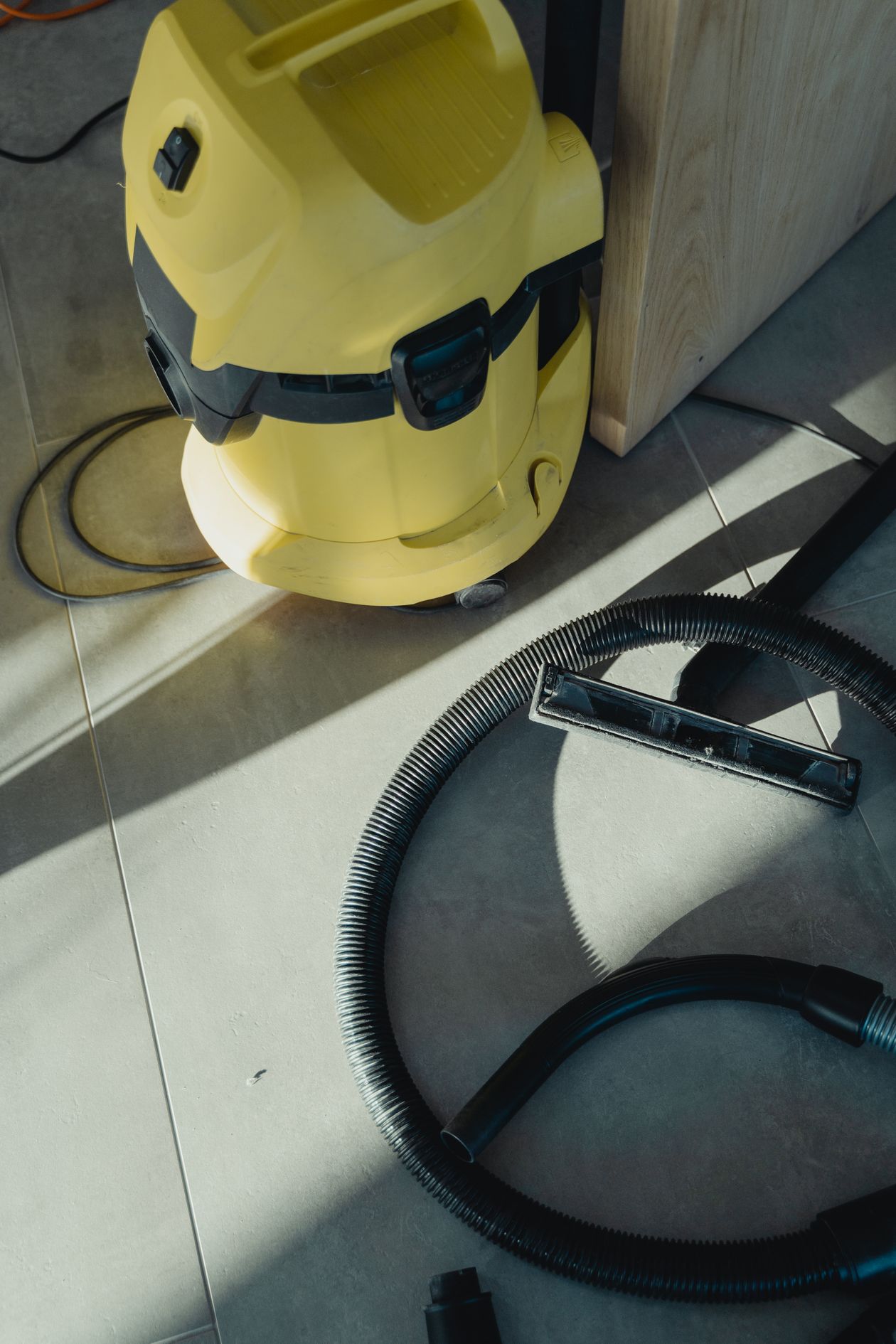
FirstClose the cold-water valve
ThenGas to pilot or off, or breaker off
CarefulTank water can scald
Shut it down
Turning Off a Leaking Water Heater: Gas or Electric
Follow the label on your own heater if it differs. Lennox’s step-by-step guide covers both types:
Turn the thermostat dial near the bottom of the tank to “Pilot” or off, and turn the gas supply valve a quarter turn so it sits across the pipe. If you smell gas, leave and call the gas company or 911.
Switch off the breaker labeled “Water Heater” at the electrical panel, but only if you can reach the panel without standing in water.
Careful
Hot Water Can Scald
The water inside the tank and on the floor right beside it can be hot enough to burn. Give it time to cool, keep children and pets away, and don’t try to drain the tank unless you know how and the water has cooled.
Find the leak
Where the Water Is Coming From
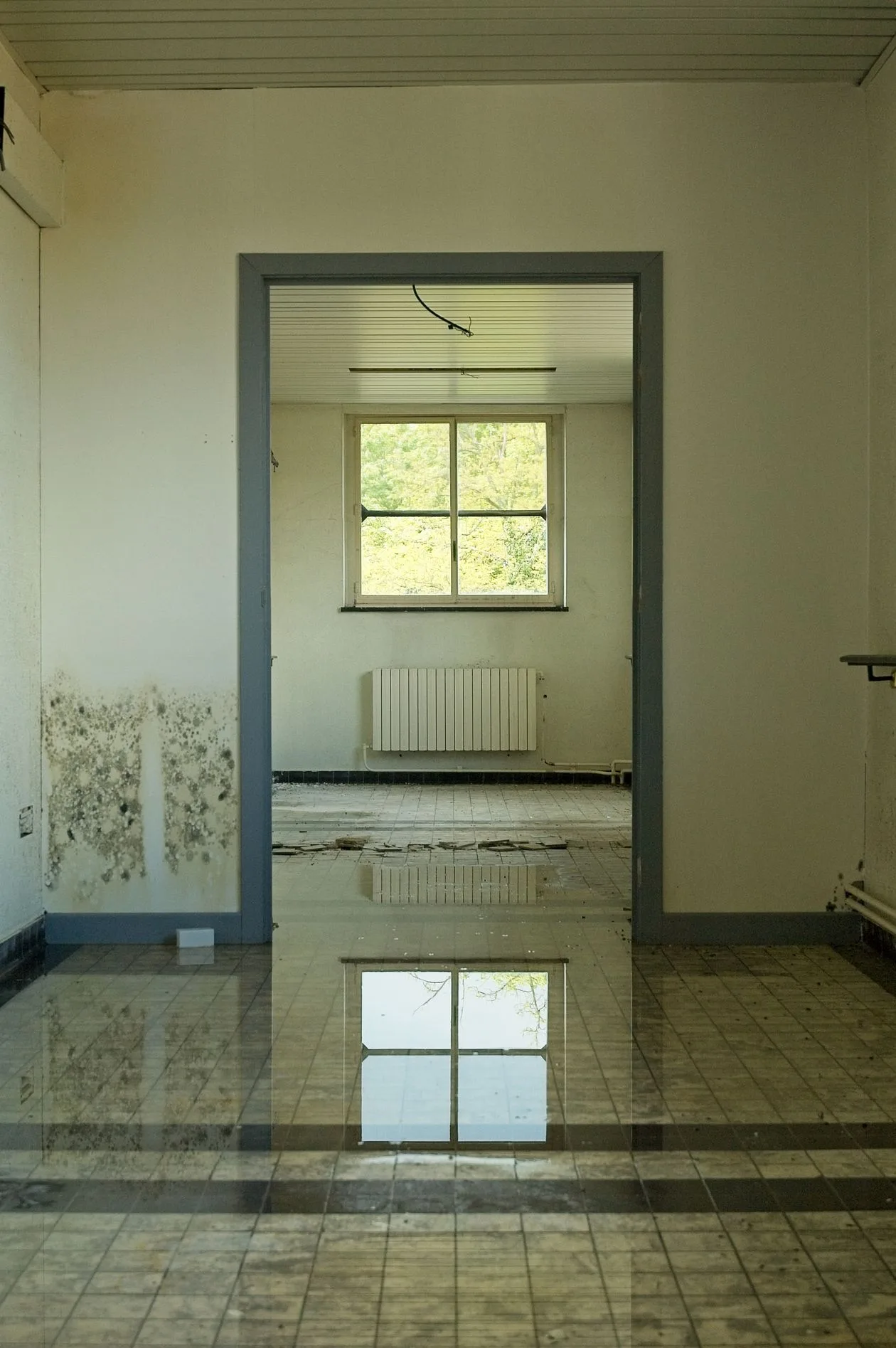
- Fittings at the top.Loose or corroded connections on the inlet and outlet pipes can drip down the side of the tank. Often a plumbing repair, not a new heater.
- The pressure-relief valve or its pipe.A valve on the side or top of the tank with a pipe running toward the floor. Water from here can mean the valve or the pressure needs attention.
- The drain valve near the bottom.A spigot-style valve low on the tank that can drip if it isn’t fully closed.
- The bottom of the tank.A water heater leaking from the bottom, with water pooling under the tank itself, often means the tank has failed. That’s a conversation about replacement with a licensed plumber.
- Not the heater at all?A nearby washing machine, AC condensate line or supply pipe can leave water in the same spot.
Plumber or restoration?
Who Handles What
A licensed plumber repairs or replaces the water heater. If the water has reached drywall, flooring, cabinets or the room below, a restoration contractor extracts it and dries the structure. A heater in an attic or second-floor closet can send water through the ceiling below; see ceiling leaks.
The U.S. EPA says: “It is important to dry water-damaged areas and items within 24-48 hours to prevent mold growth.” The drying shouldn’t wait for the new heater to arrive.
Water Heater Flooded the Room? Start With Three Clear Answers
- Are you the property owner or authorized contact?
- Is there active water damage inside the property?
- Is the affected property in Gwinnett County, Georgia?
Straight answers
Water Heater Leak FAQs
Is a leaking water heater dangerous?
The water can be scalding, standing water near an electric heater or the panel is an electrical risk, and a gas heater with a gas smell is an emergency: leave and call the gas company or 911. With the water and power or gas off, a slow leak is mostly a water-damage problem.
Can I still use hot water?
Not with the heater shut down. Leave it off until a plumber has looked at it.
Does insurance cover water heater damage?
It depends on your policy and the cause, so check with your insurer. Photograph the heater, the leak and every wet area before anything is moved.
Do you replace water heaters?
No. We’re a referral and call-routing service. We connect callers with independent local restoration providers for the water damage; a licensed plumber handles the heater.
Sources: Lennox — How to turn off a water heater · U.S. EPA — A Brief Guide to Mold, Moisture and Your Home. Photos: Pexels (free to use).