Mold is a living organism that digests organic material — drywall paper, wood, dust, fabrics. What you see is the fruiting body; microscopic roots (hyphae) extend into the material beneath it.
Water Damage Gwinnett · Lawrenceville, Georgia · ZIP 30044
The Science of Mold Cleanup: Methods, Materials & Hazards
What mold is, how it grows, which cleanup methods actually work, which materials can be saved — and the hazards of getting it wrong. A plain-language guide for Gwinnett County homeowners.
Call now: (678) 833-0791
You’ll be connected with a local restoration provider.
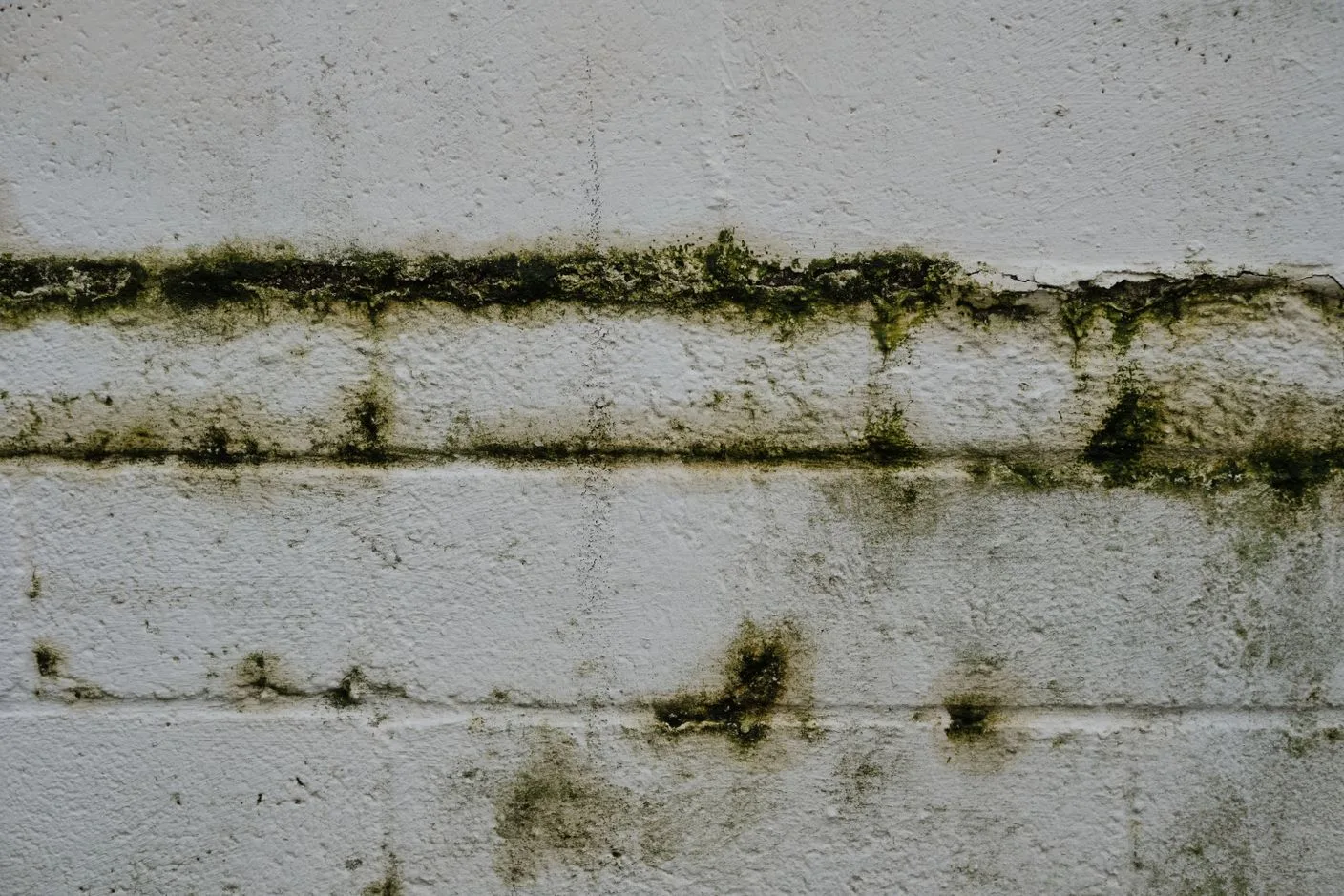
FirstMold is a living organism
NextIt needs moisture + time
ThenRemove it right, or it returns
Not sure if it’s mold? Take the 2-minute mold risk quiz — six questions, no signup, and a clear read on what to do next.
What Mold Actually Is
Strip away the fear and the folklore: mold is a fungus doing what fungi do. Understanding the biology is what separates cleanup that works from cleanup that wastes money.
Mold reproduces through airborne spores present in every home. They are harmless while dormant — they only colonize where moisture lets them grow. That is why moisture control, not spore elimination, is the real battle.
The U.S. EPA says: “It is important to dry water-damaged areas and items within 24-48 hours to prevent mold growth.” That is why thorough drying after a leak matters more than any cleaning product.
Take away sustained moisture and active mold goes dormant. Leave moisture in place and no amount of surface cleaning holds — regrowth is a matter of time, not luck.
Year-round humidity, summer storms, and air-conditioned interiors create constant condensation opportunities. Gwinnett County homes fight mold twelve months a year, not just after floods.
Killing mold without removing it leaves allergenic particles behind. Remediation means physical removal of contaminated material — not just spraying it dead.
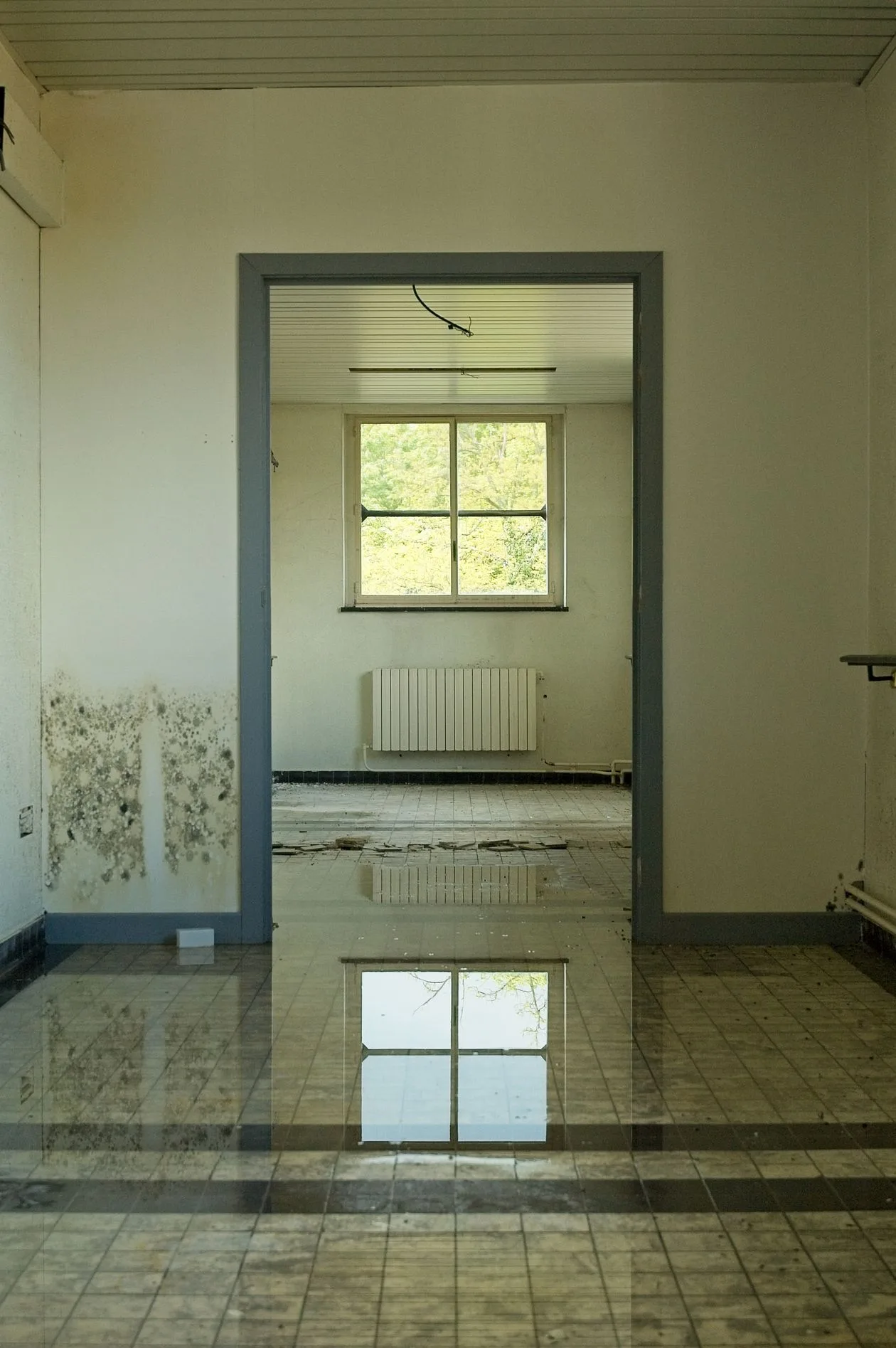
Methods that work
Cleanup Methods: What Works and What Doesn’t
- Small patches on hard surfaces: detergent and water.For growth smaller than a dinner plate on tile, glass, or metal, scrubbing with detergent and thorough drying is the EPA-aligned baseline. The key step people skip is the drying.
- Professional methods for everything bigger.Containment sheeting, negative air pressure, HEPA filtration, removal of porous materials, antimicrobial cleaning of what remains, structural drying. Each step exists because skipping it causes a specific failure.
- Why bleach disappoints.Bleach discolors surface mold on hard surfaces but can’t reach roots inside porous drywall or wood — and its water content can feed regrowth. It is a cosmetic fix on the wrong materials.
Local risk profile
Materials: What Can Be Saved and What Can’t
Porosity decides everything. Mold roots penetrate some materials beyond any cleaning — those get removed. Others can be cleaned and kept.
Paper-faced drywall is mold’s favorite food, and roots penetrate beyond the surface. Sections with growth are typically cut out, not cleaned.
Fiberglass and cellulose insulation trap moisture and spores deep inside. Once contaminated, it cannot be cleaned reliably.
Padding acts like a sponge and carpet fibers hold spores. Small area rugs can sometimes be cleaned; wall-to-wall carpet with mold underneath generally cannot.
Non-porous surfaces don’t let roots in. Scrub with detergent, dry completely, and they are done.
Surface growth on solid framing can often be cleaned and treated; wood that has started to rot structurally must be replaced.
Washable items may survive hot-water laundering; upholstered furniture with deep growth usually does not.
A note on this guide: it explains the science so you can ask better questions — the inspection, material decisions and actual remediation are performed by the independent contractor your call is routed to.
What happens after the call
Hazards of Getting Cleanup Wrong
Mold cleanup fails in predictable ways. Each of these is avoidable — and each is expensive when it isn’t avoided.
Mold exposure may trigger allergies and respiratory irritation, and can aggravate asthma — the EPA notes these potential effects without diagnosing anyone. People with sensitivities, children, and older adults tend to notice it first.
Given months, mold and the moisture feeding it rot wood framing, crumble drywall, and ruin subflooring. What starts as a simple cleaning question becomes a reconstruction project.
Scrubbing or tearing out mold without containment launches spores through the HVAC and into clean rooms — turning one contained problem into a whole-house problem.
Surface cleaning that leaves moisture inside walls guarantees a sequel — often worse, because the second colony grows concealed until the damage is extensive.
Cosmetic fixes — paint over it, spray and pray — cost money now and the full remediation cost later. Doing it right once is the cheap option.
When the Science Says Call a Professional
- Growth larger than a dinner plate, or spreading?
- Mold inside walls, ceilings, or the HVAC system?
- Growth that returned after a previous cleanup?
Straight answers
Mold Science FAQs
Straight answers to the questions homeowners ask most about mold itself.
Is black mold more dangerous than other mold?
Color alone does not identify a mold species or its health effects — dark mold is not automatically the species people worry about, and lighter mold is not automatically safe. All visible indoor mold growth should be treated the same way: find the moisture source and have it assessed and removed properly.
Does bleach kill mold?
Bleach can discolor surface mold on hard, non-porous surfaces, but it does not reach mold roots inside porous materials like drywall and wood — and the water in bleach can add moisture that feeds regrowth. For anything beyond a small surface patch, professional removal methods work better.
Should I get mold testing before remediation?
Testing makes sense when mold is suspected but not visible — a persistent musty odor with no visible growth, for example — or to verify an area is clean after remediation. But testing does not replace a physical inspection: if you can already see extensive growth, a professional assessment matters more than a lab result.
Can mold grow in winter?
Yes. Mold needs moisture, food, and suitable temperature — and heated Georgia homes supply all three year-round. Winter condensation on cold windows, pipes, and poorly insulated walls is a common cold-season moisture source.
Related services
More Ways We Connect Gwinnett Homeowners
Burst pipes, flooding, and storm damage — routed to local pros.
Board-up, soot cleanup, and odor removal after a fire.
Inspection, containment, and removal with moisture-source correction.
Service and routing disclosure
Water Damage Gwinnett is a referral and call-routing experience, not a restoration contractor. A connected caller may be referred to an independent service provider. Service availability, response times, pricing, licensing and insurance are determined by the provider.
Image sources
Photos: Pexels (free to use, no attribution required). Hero mold photo by Rodion Kutsaiev via Pexels.