Grease fires and appliance fires that scorch cabinets, walls and contents while smoke spreads far beyond the kitchen.
Water Damage Gwinnett · Gwinnett County, Georgia
Fire & Smoke Damage Restoration in Gwinnett County, GA — Get Help After the Flames Are Out
Get connected with a local fire and smoke damage restoration provider for board-up, soot cleanup and smoke damage cleaning, odor removal and firefighting-water damage across Gwinnett County.
Call now: (678) 833-0791
You’ll be connected with a local restoration provider.
First priorityStay out of the structure
Next stepCall a fire restoration professional
ThenBoard up, clean and deodorize
Fire & Smoke Damage Help for What the Fire Left Behind
This page qualifies active fire and smoke damage calls before they reach a contractor, with direct language for the damage most likely to follow a house fire.
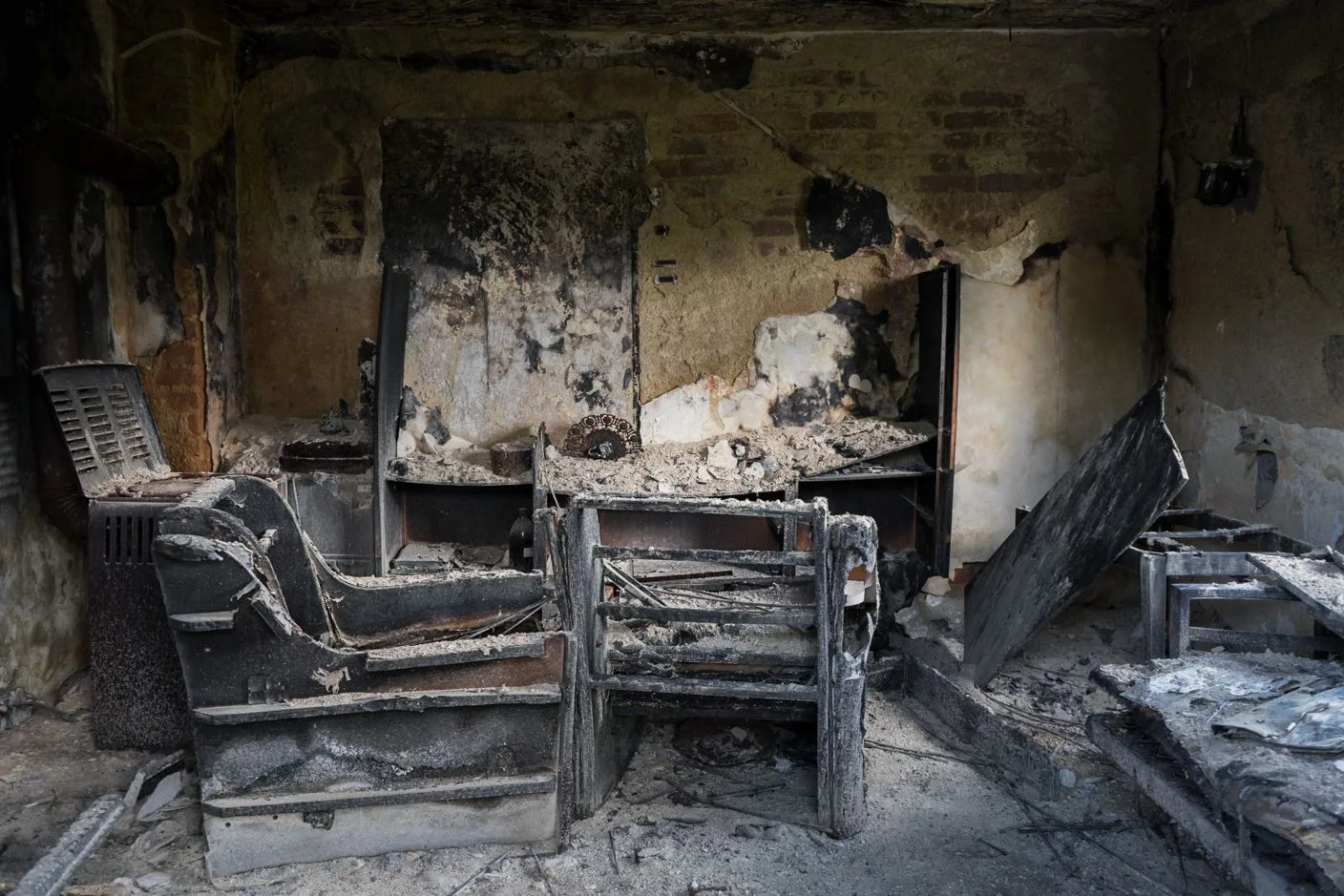
Fine black residue coating walls, ceilings and belongings throughout the home, even in rooms the flames never reached.
Odors trapped in drywall, insulation, HVAC and fabrics that household cleaning cannot reach.
Broken windows, damaged doors and roof openings secured against weather, animals and unauthorized entry.
The water used to put out the fire leaves soaked structure that needs extraction and drying.
Furniture, clothing, documents and electronics cleaned off-site when salvageable.
After the fire is out
After a Fire: Three Safe First Moves
- Stay out until it is cleared.Do not re-enter a fire-damaged structure until the fire department and a professional say it is safe. Structural members may be weakened.
- Don’t touch soot or ash.Soot is acidic and can permanently stain surfaces within hours. Touching or wiping it can spread the damage and push residue deeper.
- Document from a safe distance.Photograph visible damage from where you can stand safely, and save the fire department’s incident information for your insurer. Do not enter to take closer photos.
Local risk profile
Common Causes of Fire & Smoke Damage in Gwinnett County
House fires in Gwinnett County usually start in ordinary rooms on ordinary days. These are the causes local fire restoration contractors see most often across Gwinnett County.
Unattended cooking is the most common cause of home fires nationally. Grease ignites fast, and a small stovetop fire can fill an entire home with smoke in minutes.
Aging wiring, overloaded outlets and faulty breakers spark behind walls. In older Gwinnett County homes, aluminum wiring and DIY additions raise the risk.
Furnaces, heat pumps and water heaters work hard through Georgia’s humid summers and cold snaps. Cracked heat exchangers and neglected maintenance turn heating equipment into an ignition source.
Summer thunderstorms roll across Gwinnett County almost daily. A direct or nearby strike can ignite roofing, attics and anything connected to the home’s electrical system.
Open flames and portable heaters placed too close to curtains, bedding and furniture start fires every winter, especially during the cold snaps that push heaters into heavy use.
Lint trapped in long or kinked dryer vents overheats and ignites. Vents that run through attics or crawlspaces — common in Georgia construction — let a small fire spread unseen.
When fire or smoke damages a home in Gwinnett County, Water Damage Gwinnett routes the call to an independent local fire restoration contractor — the contractor inspects, quotes and performs the work.
What happens after the call
From Board-Up to Move-Back: The 5-Step Fire Restoration Process
Every fire is different, but professional fire and smoke restoration follows the same sequence. These steps are performed by the independent contractor your call is routed to.
Broken windows, compromised doors and roof openings are secured against weather, animals and unauthorized entry so the damage stops getting worse.
Technicians remove acidic soot from walls, ceilings and surfaces before it permanently etches finishes — dry methods first, wet cleaning where appropriate.
Smoke odor trapped in drywall, insulation and HVAC is neutralized with methods like thermal fogging, ozone treatment and HEPA air scrubbing, not just masked.
Water from firefighting is extracted and the structure is dried with air movers and dehumidifiers. Damaged framing, drywall and finishes are repaired or rebuilt.
Furniture, clothing, documents and electronics are inventoried, cleaned off-site where salvageable, and returned — what can’t be saved is documented for the claim.
Emergency Fire & Smoke Damage Help in Gwinnett County Starts With Three Clear Answers
- Are you the property owner or authorized contact?
- Is there fire or smoke damage inside the property?
- Is the affected property in Gwinnett County?
Straight answers
Fire & Smoke Damage FAQs: Gwinnett County, Georgia
Common questions from homeowners across Gwinnett County — answered plainly.
Does homeowners insurance cover fire damage?
In most cases, yes — accidental fires are a standard covered peril in homeowners policies, and coverage typically extends to smoke damage and the water used to fight the fire. Intentional fires and vacant-property exclusions can complicate a claim. Document everything with photos and notify your insurer early — the insurer, not the contractor, decides what is covered.
Can smoke odor really be removed, or will the house always smell like smoke?
It can be removed with professional methods. Smoke odor lives in porous materials — drywall, insulation, fabrics, HVAC ductwork — where household cleaners cannot reach it. Contractors neutralize it with thermal fogging, ozone treatment and HEPA air scrubbing. Masking sprays and repainting over the odor only cover it temporarily.
Should I try to clean soot myself before the contractor arrives?
No. Soot is acidic and can permanently stain or etch surfaces if handled wrong, and wiping it the wrong way drives residue deeper into walls and fabrics. Leave the cleanup to professionals, keep the area undisturbed, and stay out of rooms the fire department has not cleared.
Related services
More Ways We Connect Gwinnett Homeowners
Burst pipes, flooding, and storm damage — routed to local pros.
Inspection, containment, and removal with moisture-source correction.
How mold grows, what removes it, and what to avoid.
Service and routing disclosure
Water Damage Gwinnett is a referral and call-routing experience, not a restoration contractor. A connected caller may be referred to an independent service provider. Service availability, response times, pricing, licensing and insurance are determined by the provider.
Image sources
Photos: Pexels (free to use, no attribution required). Hero fire-damage photo by F. Hektor via Pexels.