Less water than usual at the hose end while the spigot is open can mean water is escaping somewhere else.
Gwinnett County · Hidden freeze damage
Hose Left On During a Freeze? Check for a Hidden Spigot Leak
This leak hides. The spigot, or outdoor faucet, looks fine outside, but the break is inside the wall, and it often doesn’t show until the first time someone turns the water on.
Call now: (678) 833-0791
You’ll be connected with a local restoration provider.

CauseA hose left attached
WhereInside the wall, not outside
WhenThe first time it’s used
How it happens
How an Attached Hose Splits a “Frost-Free” Spigot
A frost-free spigot (also called a sillcock or hose bib) shuts the water off deep inside the wall, where it’s warmer, and lets the outer part of the barrel drain when you close it. A hose left connected stops that water from draining. When it freezes, the trapped water expands and can split the barrel.
SupplyHouse describes the usual pattern: winter hits, the water trapped in the barrel expands, the tube splits, and the first use in spring sends water into the wall cavity. They note that most failures happen when a hose stays attached.
Signs of a hidden leak
What to Look For
Run the spigot briefly with someone watching inside the house, on the other side of that wall.
Dripping or a damp spot on the inside wall, baseboard, basement or crawl space only while the spigot is on.
A water stain, bubbling paint, or a musty smell near where the spigot passes through the wall.
Right now
What to Do If You Find One
- Close the spigot and stop using it.No more water through it until it’s repaired.
- Shut off the supply if it keeps leaking.Use the spigot’s own shutoff inside the house if it has one, or the main water valve.
- Disconnect the hose.And any splitters or attachments. Gwinnett County recommends unhooking and draining hoses before freezing weather.
- Photograph the wall, inside and out.Before anything is opened up or moved.
- Get the spigot and the wall handled.A licensed plumber replaces the spigot. If the wall, floor or basement got wet, a restoration contractor checks moisture and dries it.
Why it matters
A Wet Wall You Can’t See
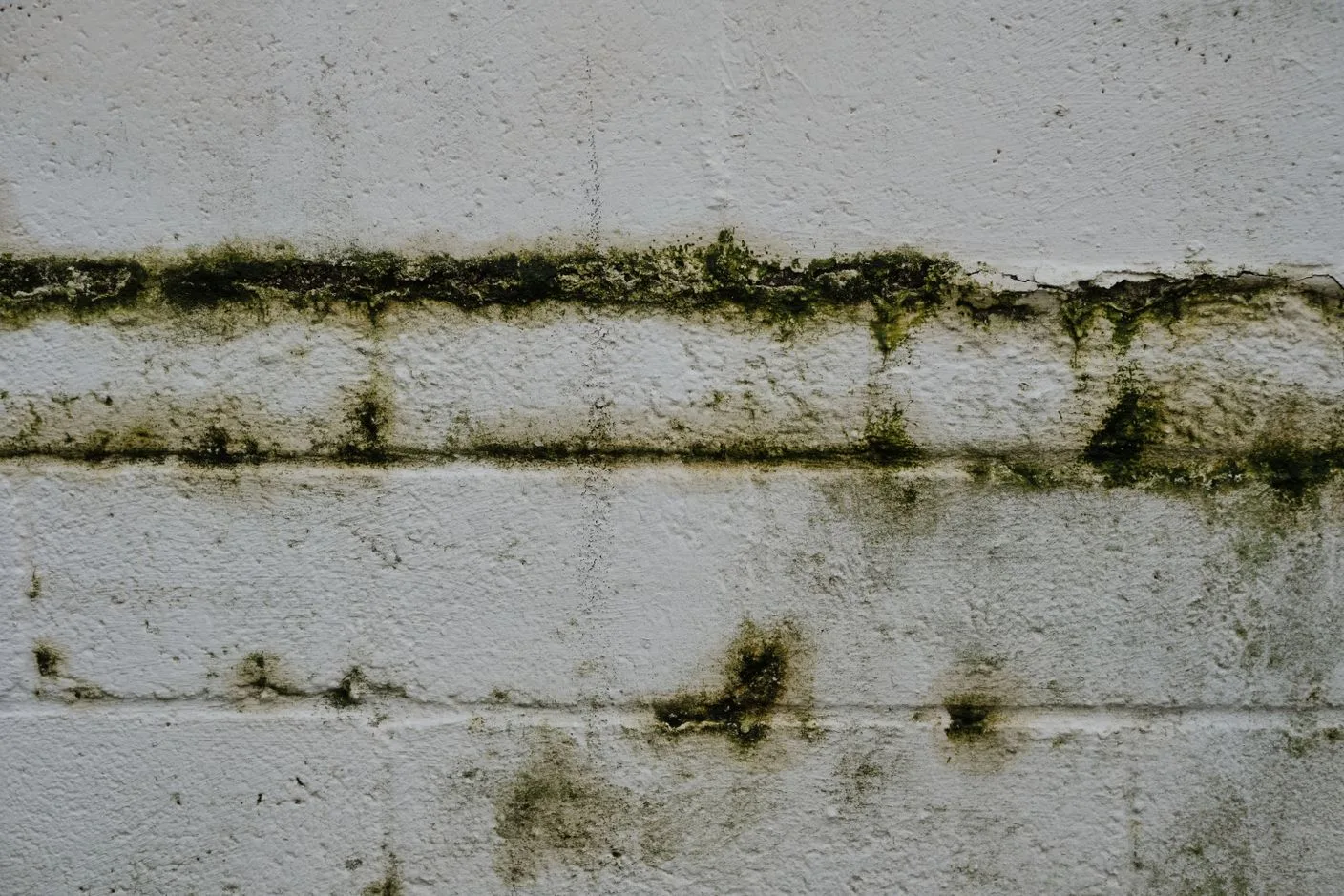
Water inside a wall cavity soaks insulation and the back of the drywall where nobody sees it. The U.S. EPA lists the back side of drywall and the areas inside walls around leaking pipes as places mold can hide. It also says: “It is important to dry water-damaged areas and items within 24-48 hours to prevent mold growth.”
If the leak ran into a basement or crawl space, see flooded basements. For keeping it from happening again, see freeze prep.
Wet Wall From a Spigot? Start With Three Clear Answers
- Are you the property owner or authorized contact?
- Is there active water damage inside the property?
- Is the affected property in Gwinnett County, Georgia?
Straight answers
Spigot Leak FAQs
Isn’t a frost-free spigot supposed to prevent this?
It does, as long as the water can drain out of the barrel. A hose, splitter or timer left attached keeps the water in, and then it can freeze and split like any other pipe.
How do I know if my spigot is frost-free?
A frost-free spigot usually has a longer body that reaches back into the wall, and the handle sits farther from where the water shuts off. If you aren’t sure, a plumber can tell you quickly.
Can I just replace the spigot myself?
Replacing it is a plumbing job, and the bigger question is how much water got into the wall. Have the wall checked for moisture before it’s closed back up.
Do you fix spigots?
No. We’re a referral and call-routing service. We connect callers with independent local restoration providers for water damage; a licensed plumber handles the spigot.
Sources: SupplyHouse — How to replace a frost-free sillcock · Gwinnett County — Protect your pipes from the winter cold · U.S. EPA — A Brief Guide to Mold, Moisture and Your Home. Photos: Pexels (free to use).