Active water from plumbing, ceilings or inside walls that needs source control and extraction.
Water Damage Gwinnett · Suwanee, Georgia · ZIP 30024
Water Damage Restoration in Suwanee, GA
Get connected with a local water damage restoration provider for active leaks, flooded rooms, sewage backups and storm-related water damage in Suwanee — from Town Center to the subdivisions along the Big Creek Greenway and the creekside neighborhoods of 30024.
Call now: (678) 833-0791
You’ll be connected with a local restoration provider.
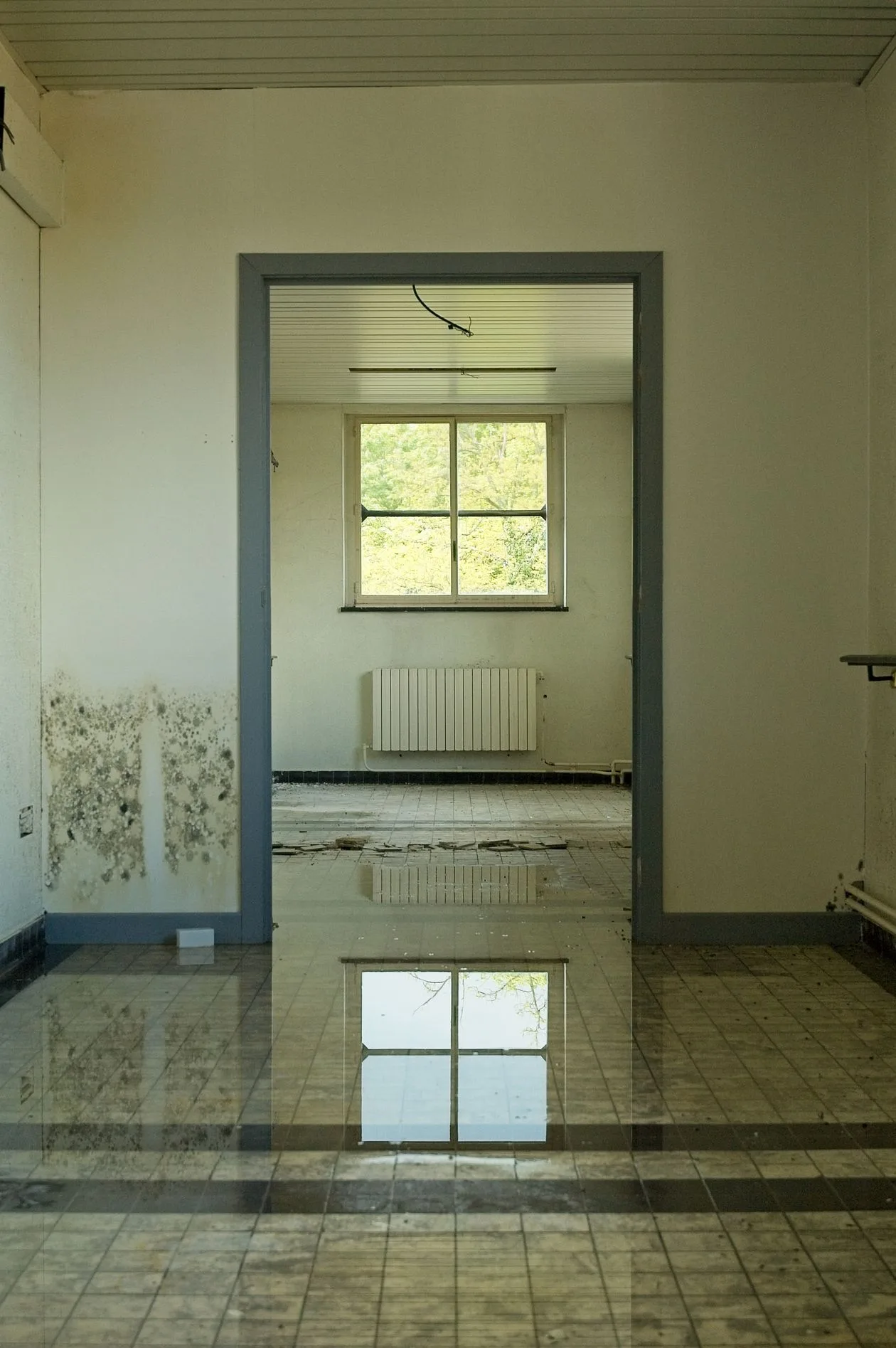
First priorityStop the source when safe
Next stepCall a restoration professional
ThenDry, monitor and document
Water Damage Restoration for Common Household Problems
The landing experience qualifies active property-damage calls before they reach a contractor, with direct language for the incidents most likely to happen in and around a home.
Standing water in basements, kitchens, bathrooms, garages or living areas.
Water released by washing machines, dishwashers, refrigerators or water heaters.
Contaminated water events that require controlled cleanup rather than DIY handling.
Rain and floodwater entering through roofs, doors, windows or lower levels.
Wet materials and trapped moisture that remain after the visible water is gone.
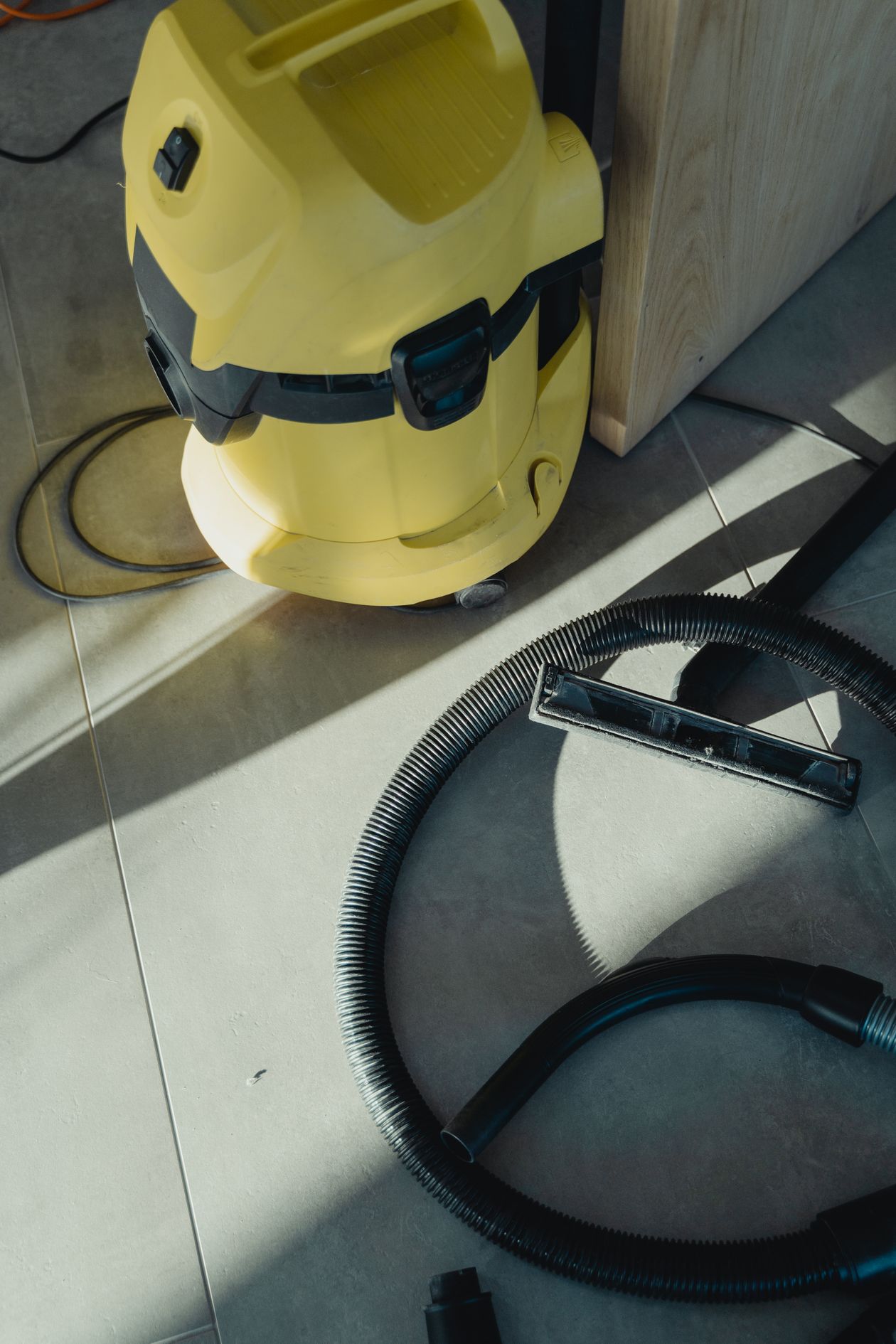
Before help arrives
Flood Cleanup: Three Safe First Moves
- Protect people first.Keep children and pets away from standing water. Leave the area if electrical hazards or contaminated water may be present.
- Stop incoming water if it is safe.Use the nearest shutoff or the main water valve. Do not enter water to reach electrical equipment.
- Document the scene.Photograph the source and affected rooms before moving items, when doing so does not delay safety steps.
Local risk profile
Common Causes of Water Damage in Suwanee & Gwinnett County
Suwanee's water damage comes from two directions: the creeks, Big Creek and Suwanee Creek, which rise fast along the greenway corridor when storms stall, and the houses themselves, much of them built in the 1990s–2000s and now running on 20-to-30-year-old water heaters and upstairs laundry rooms. These are the incidents local restoration contractors see most often in and around Suwanee.
The Big Creek Greenway is one of Suwanee's best features — until a stalled storm turns Big Creek and Suwanee Creek into something else. Homes and townhomes near the floodplain, especially along the greenway corridor, can take on water when creeks rise faster than storm drains can clear it.
Much of Suwanee was built in the 1990s and 2000s, which means a huge share of water heaters are now 20 to 30 years old — well past the 10–12 year lifespan of a typical tank. A failed tank in a garage or attic utility closet can release 40+ gallons overnight, and attic installations flood the rooms below.
Two-story Suwanee floor plans routinely put the washer and dryer on the upper level. A split supply hose or a failed shutoff valve up there doesn't just flood one room — it rains through ceilings, light fixtures, and walls on the floor below. Braided steel hoses and accessible shutoffs prevent most of these.
When Big Creek and Suwanee Creek rise faster than storm drains can clear, the greenway underpasses and low crossings pond first, and water pushes into adjacent townhomes and ground-floor units. Suwanee's Town Center and the subdivisions backing onto the creek corridor feel it first. Street flooding here isn't a river event, it's a drainage event, and it arrives with almost no warning.
Georgia summers keep air conditioners running for months, and every system produces gallons of condensate daily. A clogged condensate line in an attic air handler quietly overflows the drain pan and soaks insulation and ceilings — one of the sneakiest sources of water damage in Suwanee's two-story homes.
Suwanee's townhome and zero-lot-line communities share grading decisions, which means a neighbor's downspout discharge can become your foundation's problem. Georgia red clay already drains slowly, and roofs draining onto narrow side yards send water sheeting against foundations after every sustained rain. Walk your property line after a storm. The wettest spot is rarely where you'd expect.
When any of these hit a Suwanee home, a failed water heater in a 90s subdivision or creek water at a greenway crossing, Water Damage Gwinnett routes the call to an independent local restoration contractor — the contractor inspects, quotes and performs the work.
What happens after the call
From Water Extraction to Mold Remediation: The 5-Step Restoration Process
Every property is different, but professional water damage restoration follows the same sequence. These steps are performed by the independent contractor your call is routed to.
The contractor finds the water source, classifies the water as clean, gray or black, and maps how far moisture has traveled using meters and thermal imaging.
Standing water comes out first with pumps and high-powered extractors. Extraction comes first because standing water keeps spreading into floors and walls the longer it sits.
Air movers and dehumidifiers run for days while technicians track moisture readings. In Georgia humidity, this step decides whether mold takes hold.
Affected surfaces get antimicrobial treatment and salvageable contents are cleaned. Sewage and gray-water jobs follow a stricter decontamination protocol.
Compromised drywall, insulation and flooring are removed, remaining areas are treated, and the space is rebuilt — so the property comes back whole, not just dry.
Local drainage resources
Drainage and Stormwater Resources in Suwanee
Suwanee funds stormwater work through a stormwater utility whose fees are based on the amount of impervious surface on each parcel. The city’s page lists drainage improvement projects, cleaning pipes and ditches, maintaining and repairing catch basins, and floodplain management among the program’s work, and says a consultant’s review identified around $12 million in needed maintenance and repairs (as stated on the page, checked October 31, 2026).
Public storm drains, pipes and ditches are a city or county matter. A burst pipe, an appliance leak or water already inside the home is not, and a drainage report won’t dry out a wet room. To check whether an address sits in a mapped flood zone, see our Gwinnett County flood maps guide.
Source: City of Suwanee — Stormwater Utility.
Emergency Water Damage Restoration in Suwanee Starts With Three Clear Answers
- Are you the property owner or authorized contact?
- Is there active water damage inside the property?
- Is the affected property in Suwanee (30024)?
Straight answers
Water Damage Restoration FAQs: Suwanee, Georgia
Common questions from homeowners in Suwanee and Gwinnett County — answered plainly.
I live near the Big Creek Greenway. Should I worry about flooding?
Properties closest to Big Creek and Suwanee Creek sit nearer the floodplain, and the greenway corridor has seen high water after major storms. Check whether your address is in a FEMA flood zone — that determines whether you need a separate flood policy, since standard homeowners insurance excludes rising water. Even outside the floodplain, keep gutters clear and grading sloped away from the foundation; most Suwanee water damage is still plumbing, not creeks.
How do I know if my water heater is about to fail?
Rust-colored water, rumbling or popping sounds from sediment buildup, moisture around the base, and an age over 10–12 years are all warning signs. In Suwanee's 1990s–2000s subdivisions, original tanks are now decades overdue. Replacing a water heater on your schedule costs a fraction of what a burst tank does to floors, drywall, and everything stored nearby.
Water is dripping through my ceiling from the upstairs laundry. What do I do?
Stop the source first — close the washer's supply valves or the main shutoff if you can't reach them safely. Don't touch light fixtures or switches in the wet area. Then document with photos and call a restoration contractor; ceiling cavities hold water long after the drip stops, and drying has to reach the insulation and framing, not just the visible stain.
Is Water Damage Gwinnett a restoration company?
No. Water Damage Gwinnett is a referral and call-routing service. We connect homeowners with independent local water damage restoration contractors; the contractor handles the inspection, pricing, scheduling, licensing, and the work itself. That separation is intentional — a specialist does the job, and there is a clear record of who did what.
Nearby: Buford · Duluth · Lawrenceville
Service and routing disclosure
Water Damage Gwinnett is a referral and call-routing experience, not a restoration contractor. A connected caller may be referred to an independent service provider. Service availability, response times, pricing, licensing and insurance are determined by the provider.
Image sources
Photos: Pexels (free to use, no attribution required).