A pro finds visible mold and hunts hidden growth behind walls, under flooring and inside HVAC with moisture meters.
Water Damage Gwinnett · Gwinnett County, Georgia
Mold Remediation in Gwinnett County, GA — Find the Moisture, Remove the Mold
Found mold in your house? Get connected with a local mold remediation provider for mold inspection, containment, mold removal, HEPA air filtration and moisture-source correction across Gwinnett County.
Call now: (678) 833-0791
You’ll be connected with a local restoration provider.
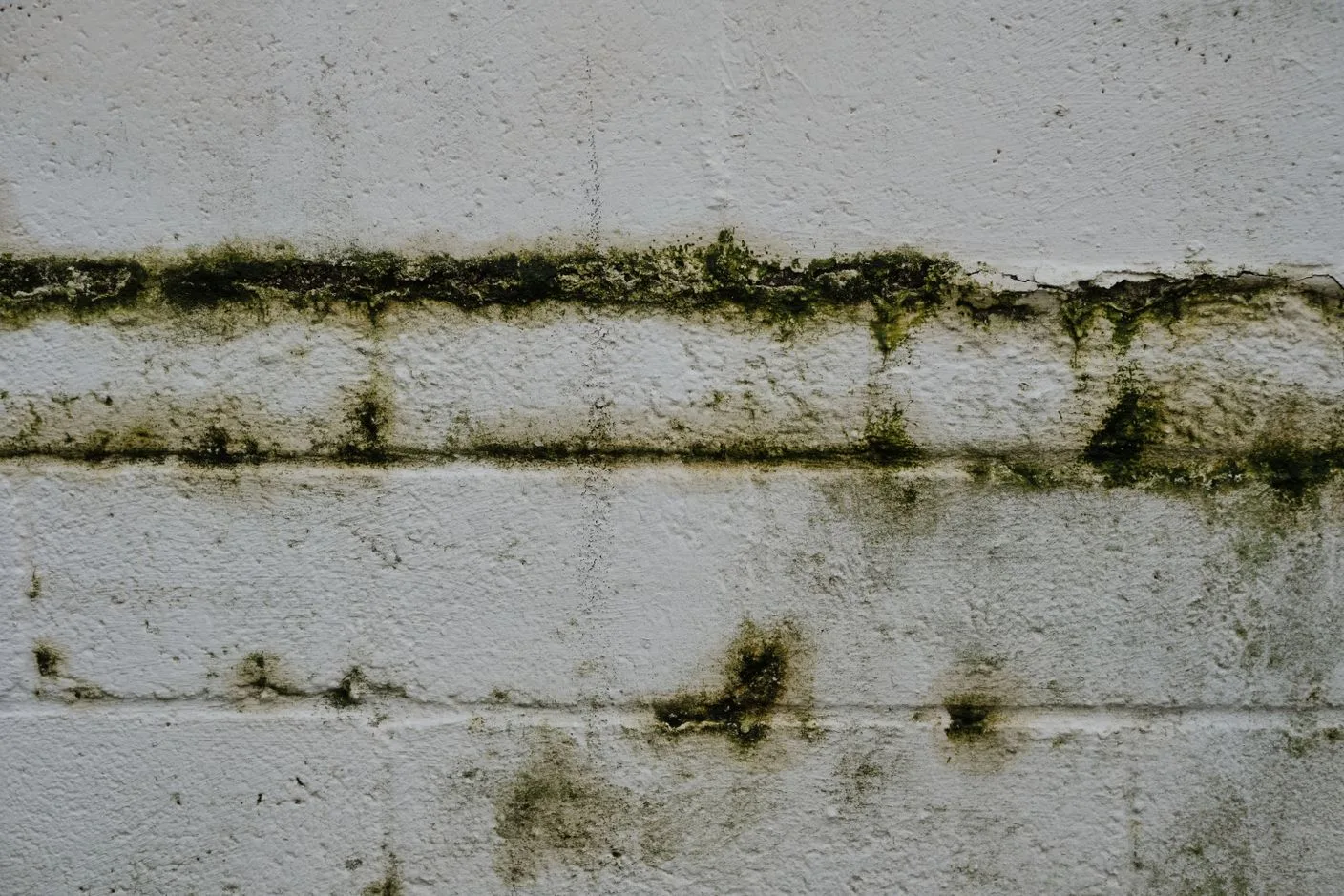
First priorityDon’t disturb visible mold
Next stepFind the moisture feeding it
ThenContain, remove, verify dry
Not sure if it’s mold? Take the 2-minute mold risk quiz — six questions, no signup, and a clear read on what to do next.
Mold Remediation for What Georgia Humidity Leaves Behind
This page covers the mold problems Gwinnett County homeowners call about most — and what professional remediation involves before your call is routed.
The work area is sealed off with sheeting and negative air pressure so spores don’t spread through the home during removal.
Air scrubbers capture airborne spores while work is underway, keeping the rest of the house cleaner.
Contaminated porous materials are removed; hard surfaces are cleaned with antimicrobial methods.
Dehumidifiers and air movers dry framing and subfloor so the moisture mold needs is gone.
The leak, drainage issue or ventilation failure that fed the mold is identified so it doesn’t come back.
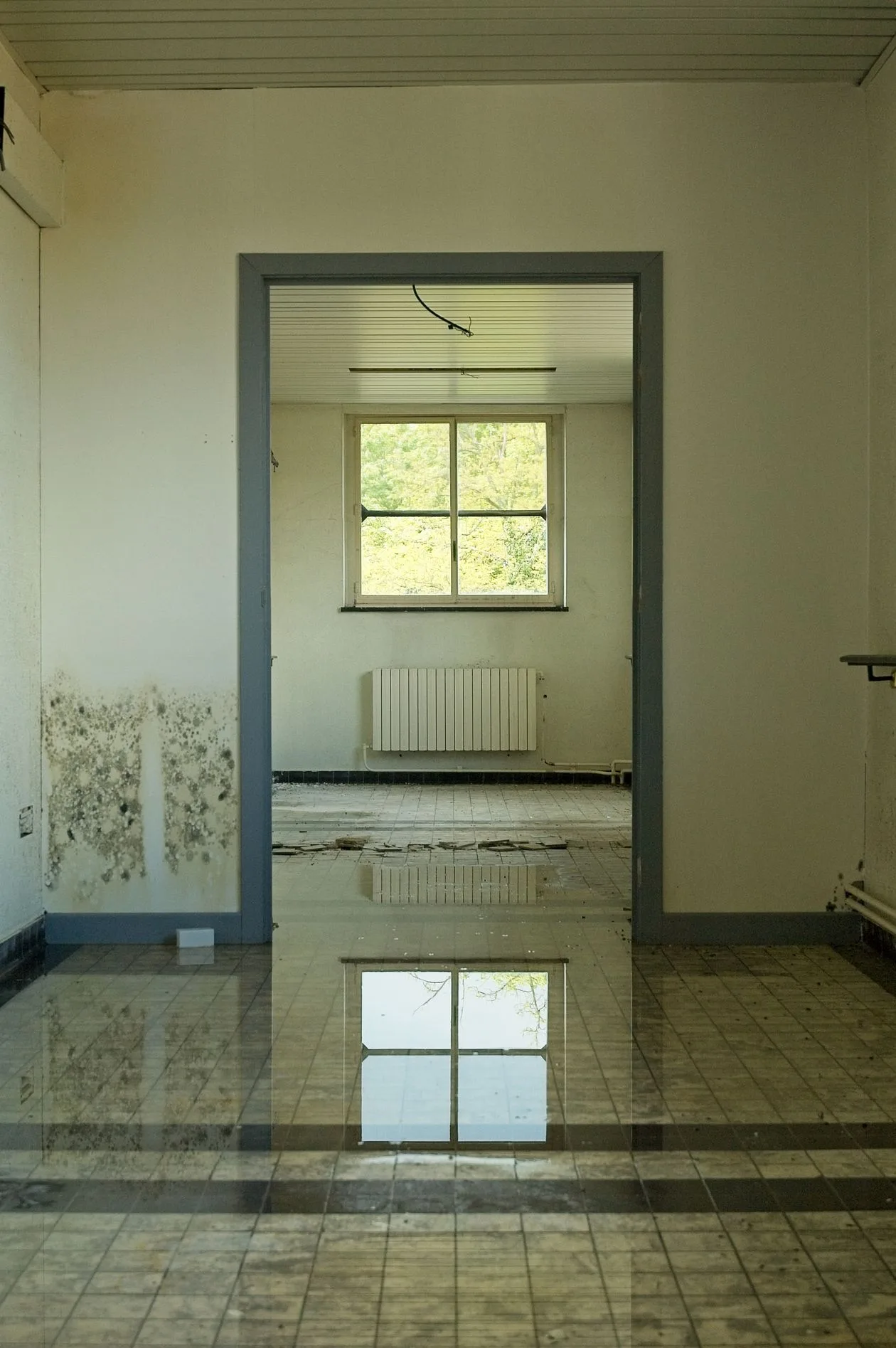
Before help arrives
Finding Mold: Three Safe First Moves
- Don’t disturb large patches.Breaking up visible mold releases spores into the air. Leave patches bigger than a dinner plate alone and keep the area closed off.
- Document what you see.Photograph visible growth, water stains and the suspected moisture source for your records and your insurer.
- Cut the moisture if you can do it safely.Stop an active drip at the shutoff valve, run a dehumidifier, ventilate a steamy bathroom. Don’t tear into walls to look for hidden mold.
Local risk profile
Where Mold Hides in Gwinnett County Homes
Georgia’s year-round humidity means mold doesn’t need a flood — just persistent moisture. These are the spots local mold pros check first across Gwinnett County.
Steam from daily showers condenses on walls and ceilings; without a working exhaust fan, grout and drywall stay damp.
Humid air, poor drainage and groundwater seepage keep these spaces damp for months — ideal mold territory.
Roof leaks and bathroom vents terminating in the attic trap warm, moist air against sheathing and insulation.
Condensation on coils and in drain pans seeds growth that the blower then distributes through the home.
Slow supply-line leaks behind dishwashers, refrigerators and washing machines feed hidden colonies for months.
Any water intrusion left damp can lead to mold growth. The U.S. EPA says: “It is important to dry water-damaged areas and items within 24-48 hours to prevent mold growth.” That is why thorough drying matters.
When mold is found in a home in Gwinnett County, Water Damage Gwinnett routes the call to an independent local mold remediation contractor — the contractor inspects, quotes and performs the work.
What happens after the call
From Inspection to Verified Dry: The 5-Step Mold Remediation Process
Every mold job is different, but professional remediation follows the same sequence. These steps are performed by the independent contractor your call is routed to.
The contractor maps visible growth and hunts hidden mold with moisture meters, then scopes the work.
The affected area is sealed with sheeting under negative air pressure so spores stay put during removal.
Air scrubbers run while contaminated materials are removed and hard surfaces are cleaned.
Dehumidifiers dry the structure; the leak, drainage or ventilation failure behind the mold is corrected.
Moisture readings confirm the area is dry; the space is cleared for repair and repaint.
Mold Remediation Help in Gwinnett County Starts With Three Clear Answers
- Are you the property owner or authorized contact?
- Is there visible mold or a persistent musty odor in the property?
- Is the affected property in Gwinnett County?
Straight answers
Mold Remediation FAQs: Gwinnett County, Georgia
Common questions from homeowners across Gwinnett County — answered plainly.
What is the difference between mold removal and mold remediation?
Removal is one step; remediation is the full process — find the moisture source, contain the area, remove contaminated material, dry the structure and verify it stays dry. Wiping visible mold without fixing the moisture behind it means it comes back.
Can I clean up mold myself?
Small surface patches on hard, non-porous surfaces can sometimes be handled with household cleaning. Larger growth, mold inside walls or HVAC, or growth after flooding calls for a professional with containment and HEPA filtration. When in doubt, do not disturb it.
How quickly can mold grow after water damage?
In Georgia’s humidity, mold is a real risk after water intrusion. The U.S. EPA says: “It is important to dry water-damaged areas and items within 24-48 hours to prevent mold growth.” That is why thorough extraction and drying matter most after any leak or flood.
Does homeowners insurance cover mold remediation?
Sometimes. Many policies cover mold that results from a covered peril like a burst pipe, while excluding mold from long-term neglect or flooding, which needs separate flood insurance. Document everything with photos and ask your insurer — the insurer, not the contractor, decides what is covered.
Will the mold come back after remediation?
Not if the moisture source is corrected. Remediation that removes mold but leaves the leak, drainage issue or ventilation failure behind is temporary. The drying and moisture-correction step matters as much as the removal.
Related services
More Ways We Connect Gwinnett Homeowners
Burst pipes, flooding, and storm damage — routed to local pros.
Board-up, soot cleanup, and odor removal after a fire.
How mold grows, what removes it, and what to avoid.
Service and routing disclosure
Water Damage Gwinnett is a referral and call-routing experience, not a restoration contractor. A connected caller may be referred to an independent service provider. Service availability, response times, pricing, licensing and insurance are determined by the provider.
Image sources
Photos: Pexels (free to use, no attribution required). Hero mold photo by Rodion Kutsaiev via Pexels.