Active water from plumbing, ceilings or inside walls that needs source control and extraction.
Water Damage Gwinnett · Gwinnett County, Georgia
Find Water Damage Restoration Help in Gwinnett County, GA
Connect with independent local water damage restoration providers throughout Gwinnett County. Whether it’s a burst pipe, flooded basement, sewage backup, appliance leak or storm damage, your call is routed to a provider serving your area. Provider availability and services vary.
Call now: (678) 833-0791
You’ll be connected with a local restoration provider.
First priorityStop the source when safe
Next stepCall a restoration professional
ThenDry, monitor and document
Water Damage Restoration for Common Household Problems
Whatever the source, water removal and water extraction come first: the provider pumps out standing water and pulls moisture from floors and walls, then dries what’s left. These are the household problems that most often start a call.
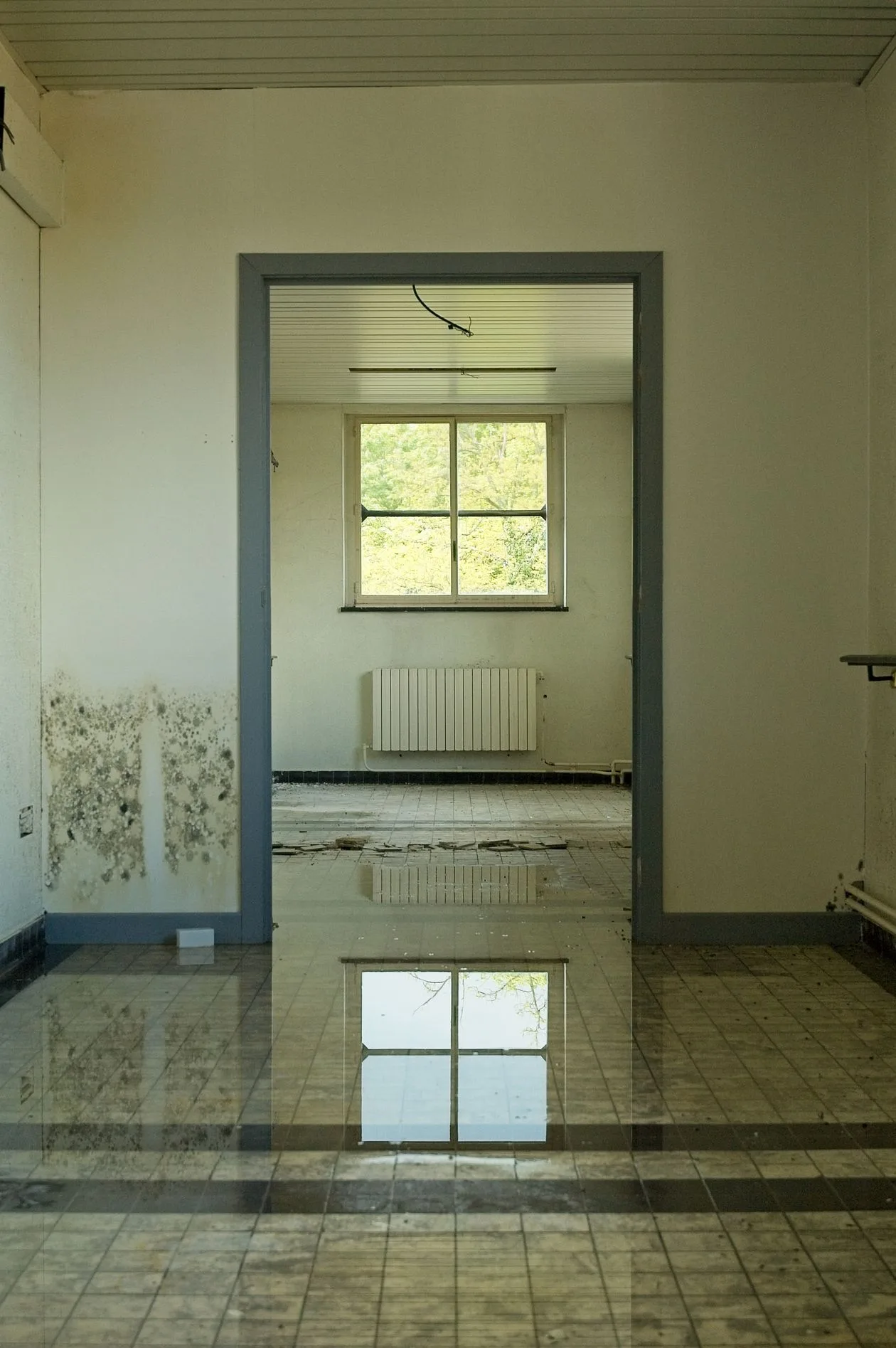
Standing water in basements, kitchens, bathrooms, garages or living areas.
Water released by washing machines, dishwashers, refrigerators or water heaters.
Contaminated water events that require controlled cleanup rather than DIY handling.
Rain and floodwater entering through roofs, doors, windows or lower levels.
Wet materials and trapped moisture that remain after the visible water is gone.
Before help arrives
Flood Cleanup: Three Safe First Moves
- Protect people first.Keep children and pets away from standing water. Leave the area if electrical hazards or contaminated water may be present.
- Stop incoming water if it is safe.Use the nearest shutoff or the main water valve. Do not enter water to reach electrical equipment.
- Document the scene.Photograph the source and affected rooms before moving items, when doing so does not delay safety steps.
Local risk profile
Common Causes of Water Damage in Gwinnett County
Water damage in Gwinnett County rarely arrives the way people expect. These are common causes across the county, from Buford to Snellville. Each city page adds that area’s own waterways, utilities and housing details.
Fast, heavy rain overwhelms gutters and grading in a single afternoon. Wind-driven rain finds its way under aging shingles and around windows, and low-lying streets along creeks and rivers such as the Yellow River and the Chattahoochee can take on street flooding.
Georgia winters are mild until they are not. Many Gwinnett homes run water lines through attics and crawlspaces with thin insulation, so a hard freeze can split a pipe overnight and flood a home by morning.
Water heaters tucked into garages and attic utility closets are common in Georgia construction. A failed tank or a split washing-machine supply line can release dozens of gallons before anyone notices.
Gwinnett County is heavily wooded, and mature pine and oak roots hunt for moisture in aging sewer laterals. Add heavy rain inflow and you get contaminated backups through floor drains and lower-level fixtures.
Georgia red clay drains slowly. After sustained rain, water pools against foundations and seeps into basements and crawlspaces, feeding the hidden moisture that turns into mold weeks later.
Pinhole leaks in copper lines, loose toilet seals and dripping supply valves can run for months undetected. By the time staining appears, subflooring and framing may already be compromised.
When any of these hit a home in Gwinnett County, Water Damage Gwinnett routes the call to an independent local restoration contractor — the contractor inspects, quotes and performs the work.
What happens after the call
From Water Extraction to Mold Remediation: The 5-Step Restoration Process
Every property is different, but professional water damage restoration follows the same sequence. These steps are performed by the independent contractor your call is routed to.
The contractor finds the water source, classifies the water as clean, gray or black, and maps how far moisture has traveled using meters and thermal imaging.
Standing water comes out first with pumps and high-powered extractors. Extraction comes first because standing water keeps spreading into floors and walls the longer it sits.
Air movers and dehumidifiers run for days while technicians track moisture readings. In Georgia humidity, this step decides whether mold takes hold.
Affected surfaces get antimicrobial treatment and salvageable contents are cleaned. Sewage and gray-water jobs follow a stricter decontamination protocol.
Compromised drywall, insulation and flooring are removed, remaining areas are treated, and the space is rebuilt — so the property comes back whole, not just dry.
Getting Water Damage Help in Gwinnett County Starts With Three Clear Answers
- Are you the property owner or authorized contact?
- Is there active water damage inside the property?
- Is the affected property in Gwinnett County?
Straight answers
Water Damage Restoration FAQs: Gwinnett County, Georgia
Common questions from homeowners across Gwinnett County — answered plainly.
Does homeowners insurance cover water damage?
Often, when the cause is sudden and accidental — a burst pipe, a failed appliance hose, or storm-driven rain through a damaged roof. Gradual leaks, neglected maintenance, and rising floodwater from outside are usually excluded; flood damage needs a separate flood policy. Document everything with photos and notify your insurer early — the insurer, not the contractor, decides what is covered.
How fast does mold grow after water damage?
The U.S. EPA says: “It is important to dry water-damaged areas and items within 24-48 hours to prevent mold growth.” Georgia’s humidity makes that window matter. Thorough drying is one of the most important steps after a leak. If materials stay wet beyond a day or two, ask the contractor to check for mold during the assessment.
What should I do first when I find water damage?
Protect people first — keep children and pets away from standing water, and leave the area if electrical hazards or contamination may be present. If it is safe, stop the source at the nearest shutoff valve. Photograph the damage before moving anything, then call a restoration professional. Never enter water to reach electrical equipment.
Do I need mold remediation after a leak?
Not always. A leak caught and dried within a day or two often needs no remediation at all. It becomes necessary when moisture lingered, when you see discoloration or warping, or when a musty smell develops. A professional assessment with moisture readings settles the question — remediation is about confirmed growth, not guesswork.
How long does it take to dry out a flooded room?
Typically three to five days of active drying with air movers and dehumidifiers. Thicker materials like hardwood flooring, plaster, and subflooring take longer. Professionals confirm dryness with moisture meters rather than touch, because surfaces can feel dry while the material underneath is still wet.
What areas does Water Damage Gwinnett serve?
Gwinnett County, Georgia, including Lawrenceville, Buford, Dacula, Duluth, Grayson, Lilburn, Loganville, Norcross, Snellville and Suwanee. Calls are routed to independent local restoration contractors who serve that territory. If a property is outside the service area, the call may not be a fit — the qualifying questions on this page exist to sort that out before anyone’s time is wasted.
Is Water Damage Gwinnett a restoration company?
No. Water Damage Gwinnett is a referral and call-routing service. We connect homeowners with independent local water damage restoration contractors; the contractor handles the inspection, pricing, scheduling, licensing, and the work itself. That separation is intentional — a specialist does the job, and there is a clear record of who did what.
Service areas
Water Damage Restoration Across Gwinnett County
Each city page covers the local water risks homeowners there face and how a call is routed to an independent local contractor. We don’t rank restoration companies; routing is based on location and availability.
Gwinnett’s county seat, around the historic downtown square.
Lake Lanier shoreline moisture and a city-run water department.
Apalachee River headwaters, private wells and new-build plumbing.
Chattahoochee River flooding, burst pipes and sewage backup.
Alcovy River flooding, burst pipes and storm damage.
Sweetwater, Jackson and Camp Creek flooding.
Storm damage, appliance failures and sewage backup.
Historic-district plumbing and Beaver Ruin Creek flooding.
Older ranch-home plumbing and Yellow River flooding.
Big Creek flooding and aging water heaters.
Related services
More Ways We Connect Gwinnett Homeowners
Board-up, soot cleanup, and odor removal after a fire.
Inspection, containment, and removal with moisture-source correction.
How mold grows, what removes it, and what to avoid.
Service and routing disclosure
Water Damage Gwinnett is a referral and call-routing experience, not a restoration contractor. A connected caller may be referred to an independent service provider. Service availability, response times, pricing, licensing and insurance are determined by the provider.
Image sources
Photos: Pexels (free to use, no attribution required).