Drywall and insulation wick water upward; the bottom two feet of a flooded finished basement usually must be removed.
Water Damage Gwinnett · Gwinnett County, Georgia
Flooded Basement in Gwinnett? Get the Water Out.
Basements flood from storms, failed sump pumps, and burst pipes — and Georgia’s clay soil holds water against foundations. Here is what to do now, and how Water Damage Gwinnett connects you with local water removal, basement flood cleanup and drying professionals.
Call now: (678) 833-0791
You’ll be connected with a local restoration provider.
First priorityDon’t enter until power is off
Next stepStop the source if you can
ThenCall — extraction and drying
What Basement Flooding Destroys
Basement water doesn’t just sit there — it attacks everything it touches, and the damage starts long before you see it.
Carpet, laminate, and hardwood in basements rarely survive standing water — and what’s underneath is usually worse.
Appliances sitting on the basement floor short out and corrode — flooding often takes out the home’s mechanicals too.
Boxes, photos, and furniture absorb water and grow mold. What’s stored low is what’s lost first.
Hydrostatic pressure from saturated soil pushes against walls and finds every crack — flooding is both symptom and cause of foundation trouble.
Basements are already humid. The U.S. EPA says: “It is important to dry water-damaged areas and items within 24-48 hours to prevent mold growth.” Thorough drying is what keeps a flooded basement from becoming a mold job.
First moves
Flooded Basement: Three First Moves
- Cut the power.Don’t enter standing basement water until electricity to the area is off. Water conducts; breakers and outlets don’t care that it’s an emergency.
- Stop the source.Burst pipe: shut the main. Storm water: there’s nothing to shut off — focus on power and the call. Sump failure: don’t reach into the water to check the pump.
- Call (678) 833-0791.You’ll be connected with a local restoration provider. Tell them the water depth and whether it’s still rising.
Local risk profile
Why Gwinnett Basements Flood
It’s not bad luck — it’s geology and weather. These are the patterns behind most basement flooding across Gwinnett County.
Expansive red clay holds water against foundations instead of draining — the region’s signature flooding setup.
Intense storms dump inches in hours, overwhelming gutters, grading, and drains faster than soil can absorb.
Power outages kill sump pumps exactly when storms arrive — the most common “it was fine yesterday” flood.
Low-lying lots sit in groundwater that rises with rain — some basements flood from below, not from storms.
Every crack is a doorway for hydrostatic pressure — water doesn’t need an invitation.
Soil sloping toward the house funnels every storm straight to the foundation walls.
When a basement floods in Gwinnett County, Water Damage Gwinnett routes the call to an independent local water damage restoration contractor — the contractor extracts, dries and verifies.
What happens after the call
From Pump-Out to Verified Dry: The 5-Step Process
Every flooded basement is different, but professional restoration follows the same sequence. These steps are performed by the independent contractor your call is routed to.
The pro confirms the area is electrically safe before anyone works in the water.
High-capacity pumps remove standing water — basements often hold hundreds of gallons.
Ruined drywall, insulation, carpet, and flooring come out — basement materials rarely dry in place.
Dehumidifiers and air movers dry framing, subfloor, and foundation walls to verified levels.
Antimicrobial treatment and moisture readings confirm the basement is dry and won’t grow mold behind the new walls.
Two common trouble spots
Sump Pump Failures and Crawlspace Water
Sump pump failure. A sump pump that loses power, burns out or can’t keep up during a heavy storm is one of the most common reasons a basement suddenly takes on water. If the pump has no power, it isn’t pumping. Stay out of standing water near outlets, cords or the pump itself. Once it’s safe, water removal and extraction come first, then drying; fixing or replacing the pump is a plumbing job.
Crawlspace water. Homes built over a crawlspace can take on water there without anyone noticing for weeks. Signs include a musty smell indoors, standing water visible through the access door, wet insulation sagging from the subfloor, or floors above that cup or feel soft. Crawlspaces are tight and dark and can hold contaminated water, so extraction and drying there are work for a professional with the right equipment.
Wondering whether your street is in a mapped flood zone? See our Gwinnett County flood maps guide.
Flooded Basement Help in Gwinnett County Starts With Three Clear Answers
- Is water still rising, or over electrical outlets?
- Are the furnace, water heater, or panel underwater?
- Is there a sewage smell mixed with the floodwater?
Straight answers
Flooded Basement FAQs: Gwinnett County, Georgia
Common questions from homeowners across Gwinnett County — answered plainly.
Is it safe to go into a flooded basement?
Not until electricity to the area is off. Standing water conducts electricity from outlets, appliances, and wiring — cut power at the breaker first, and never touch electrical panels with wet hands or while standing in water.
Will my sump pump handle this?
If it’s running and keeping up, yes. If it’s silent during a storm, it may have failed or lost power — the most common surprise flood. A pro can assess the pump as part of the restoration visit.
Can a flooded basement be saved?
Usually, yes. Extraction, removal of ruined materials, structural drying, and mold prevention restore most basements. What can’t be saved is anything left wet for days.
How long does basement drying take?
It depends on water depth, materials, and ventilation — professionals verify dryness with moisture meters, not calendars. Rushing rebuild before the structure is verified dry traps moisture behind new walls.
Does homeowners insurance cover basement flooding?
Sudden events like burst pipes are commonly covered; groundwater seepage and flooding often need separate flood coverage. Document everything with photos and ask your insurer — the insurer, not the contractor, decides what is covered.
Can water damage happen in a crawlspace?
Yes. A crawlspace can collect water from heavy rain, poor grading or a leaking supply or drain line, and it often goes unnoticed. Watch for a musty smell, wet insulation under the floor, or floors that cup or soften. Because crawlspaces are cramped and the water may be contaminated, extraction and drying there are a job for a restoration professional.
Local notes: creek corridors in Lilburn, Lake Lanier’s high water table in Buford, and the Apalachee River headwaters near Dacula each push water into lower levels in their own way.
Related services
More Ways We Connect Gwinnett Homeowners
When the flood starts at a pipe — shutoff and extraction.
When floodwater smells wrong — stop using water, call now.
Flooded basements carry a real mold risk — routed to local pros.
Service and routing disclosure
Water Damage Gwinnett is a referral and call-routing experience, not a restoration contractor. A connected caller may be referred to an independent service provider. Service availability, response times, pricing, licensing and insurance are determined by the provider.
Image sources
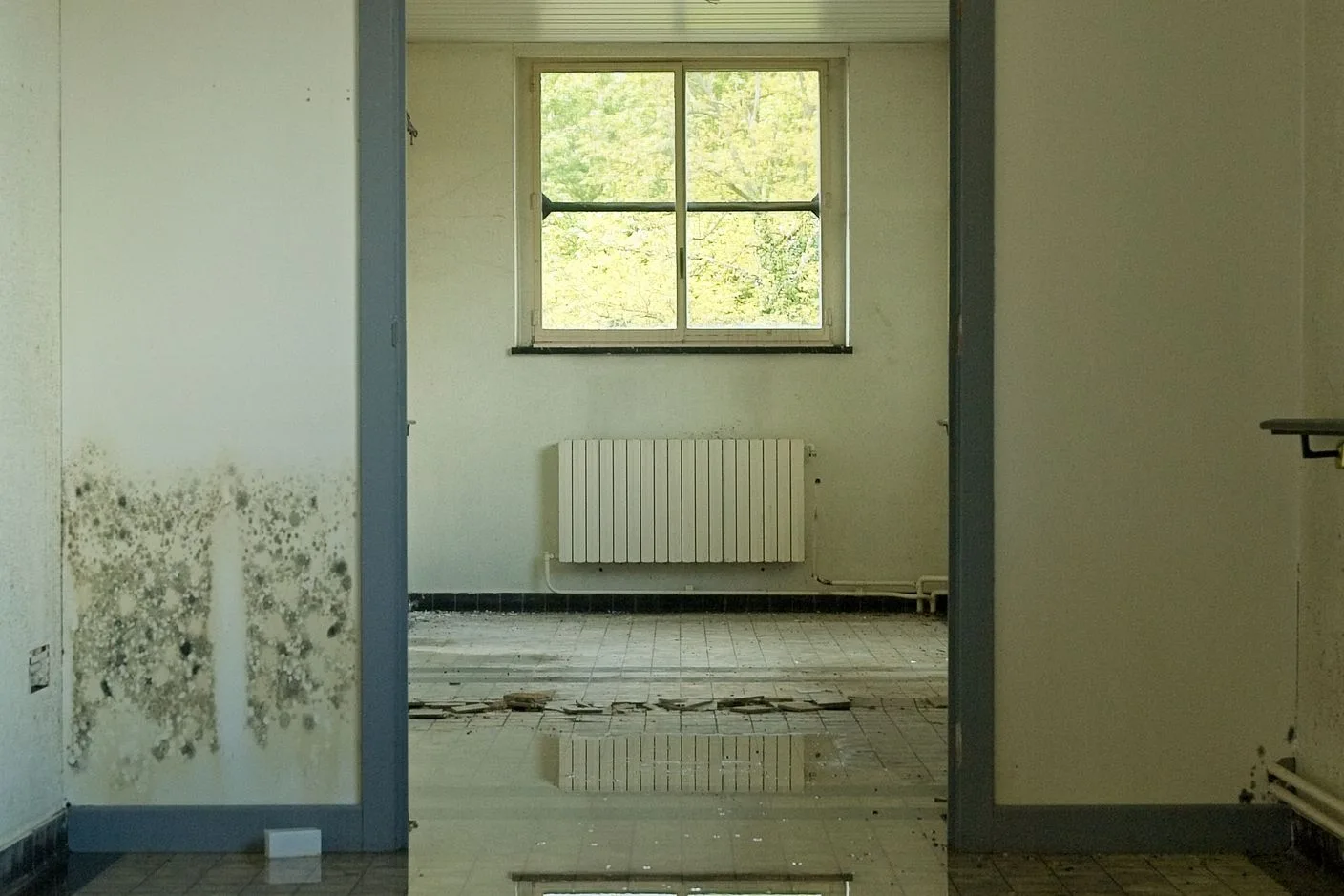
Photos: Pexels (free to use, no attribution required). Hero flooded-basement photo by Emmanuel Codden via Pexels.